
Czynniki ryzyka związane z różnymi warunkami drogowymi, w szczególności ze zmianą tych warunków w zależności od pogody i pory dnia lub nocy, właściwości różnych typów dróg i związane z tym obowiązujące wymagania
84 questions in this category
Online mock exam →Polish weather conditions create significant driving challenges across all seasons. Winters bring ice, snow, and fog, while summers can produce sudden thunderstorms and aquaplaning risks. Different road types (motorways, rural roads, urban streets, forest roads) each present unique hazards. This category tests your understanding of how to adapt driving behavior to these changing conditions.
Why This Category Matters on the Exam
This category generates 2-3 exam questions that present weather or road condition scenarios and ask about appropriate driver responses. Questions test understanding of physical phenomena (aquaplaning, black ice, glare) and the correct behavioral adaptations. Poland's continental climate means extreme seasonal variation, making this knowledge essential for year-round safe driving.
Common Mistakes and Tips
Black ice (gololedz) is particularly dangerous on Polish roads during autumn and early spring mornings, especially on bridges, overpasses, and shaded road sections, which freeze first. Aquaplaning begins at speeds around 80 km/h on wet roads, and the correct response is to release the accelerator without braking and hold the steering wheel firmly. Many candidates do not know that after rain following a long dry period, the road is most slippery in the first 15-30 minutes due to oil and dust mixing with water. In autumn, fallen leaves on the road create a surface nearly as slippery as ice when wet. Forest roads in Poland often have wildlife crossings, particularly at dawn and dusk. Fog requires the use of dipped headlights (not high beam, which reflects back) and reduced speed proportional to visibility. When visibility drops below 50 meters, rear fog lights may be used and maximum speed should not exceed 50 km/h.
You are driving a vehicle in the rain. Which of the following actions should you first of all take in order to drive more safely?
C: Decrease the speed.
You are driving a passenger car during a heavy rain. Which of the following actions should you take after driving into a rut filled with water?
A: Smoothly decrease the speed.
Which of the following actions may contribute to an increase in safety level while driving on the road covered with snow?
B: Using winter tires.
Which of the following actions should you perform when driving a passenger car at night in a fog?
A: Decrease the speed.
You are driving a passenger car. How should you behave while driving through a wide puddle?
C: Reduce the speed smoothly.
Which of the following lights are you allowed to use when you are driving a passenger car during a fog?
B: Front fog lights.
Which of the following actions should be performed while driving a passenger car and overtaking in a fog outside the built-up area?
B: Emit short sound signals.
How should you behave while passing an oncoming vehicle at night in a passenger car?
C: Look right to the source of light of the oncoming vehicle and look for possible obstacles there.
You are driving a passenger car in a fog which limits the visibility to 40 metres. Which of these actions may improve safety of driving?
C: Switching on the rear fog lights.
While driving a car in the rain the risk of skidding is:
A: the highest in the initial stage of the rain.
Which of the following actions should you take while driving a passenger car on the road covered with snow?
A: Avoid sudden movements of the driving wheel.
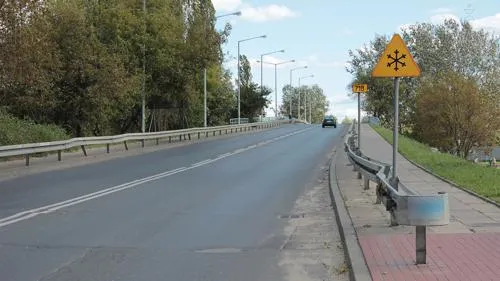
What can you expect when driving onto a bridge marked with this sign?
C: Frosted road or black ice, even if they do not occur on other sections of the road.
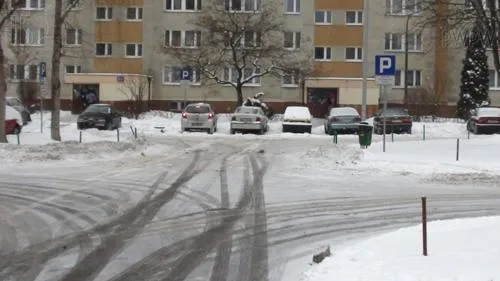
What should you expect if you turn at an intersection covered with ice?
B: That traction will be worse, making it difficult for you to turn.
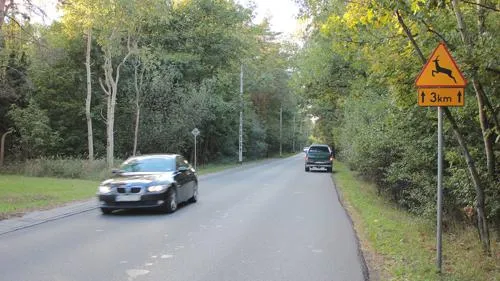
What can you expect on a road marked this way?
B: That wild animals may be running across the road.
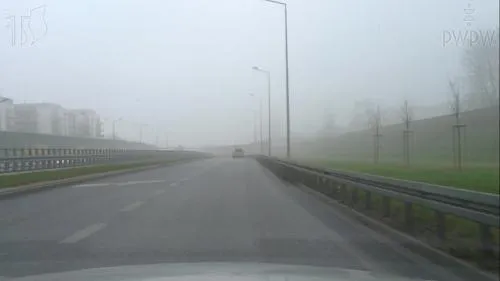
How can you maintain a proper course when driving on an express road in thick fog?
A: By following road markings designating the lanes.
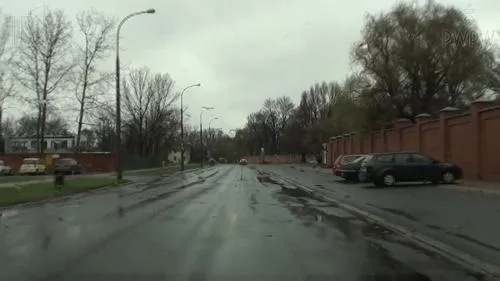
If, at night, you pass another car lighting the road with its lights, can this stop you from noticing any obstacles on the road?
A: Yes, because there is a possibility of being temporarily blinded by the lights.
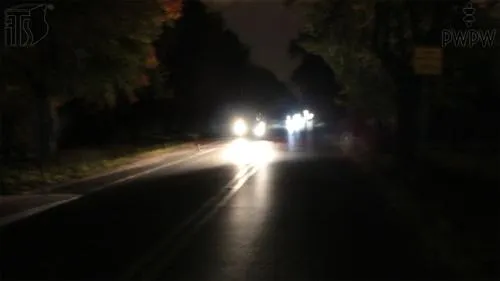
When can you use rear anti-fog lights while driving?
C: When visibility during snowfall is less than 50 m.
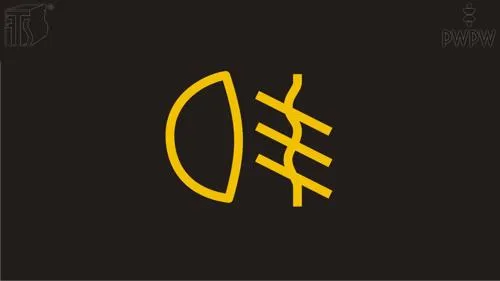
Should you be more alert when you're driving at night?
A: Yes, because visibility at night is limited.
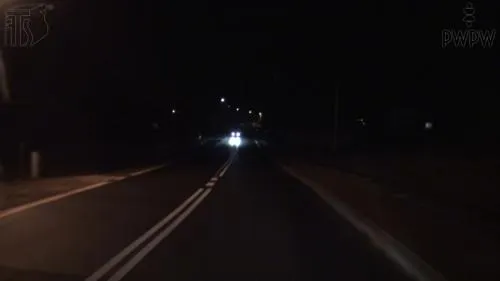
When must you switch high-beam lights to low-beam lights?
B: Always when there is a possibility of blinding the driver of the car in front of you.
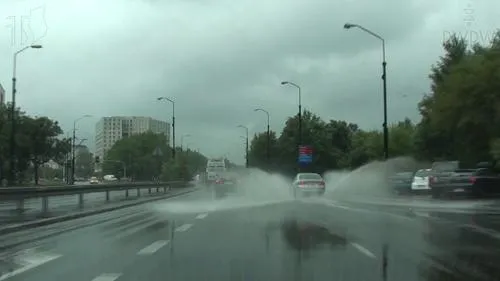
What sort of driving should you avoid in these road conditions?
A: Driving at a high speed.
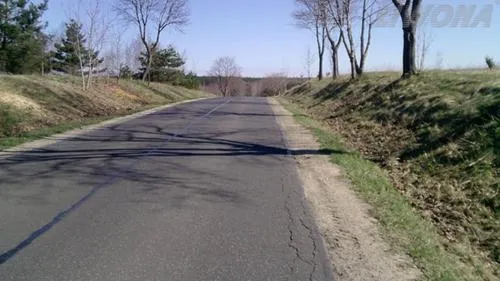
You are allowed to use snow chains only when:
C: the road is covered with snow.
The braking distance is the longest on:
C: an icy road.
Is the lie of the land a factor that you should take into account when choosing your speed on a road?
C: Yes.
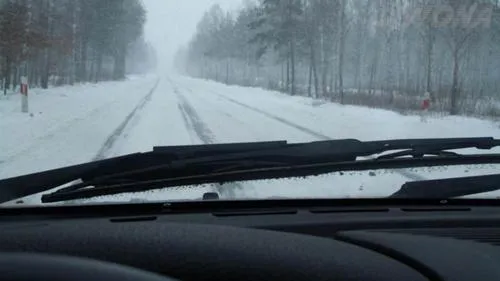
What may be the result of using worn out wiper blades in a passenger car?
B: Reduced visibility of the road druring rain.
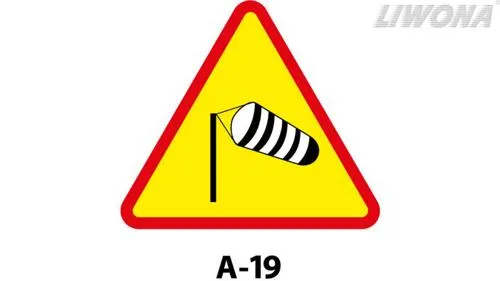
What kind of danger does the presented vertical sign warn you of?
A: Strong side wind gusts.
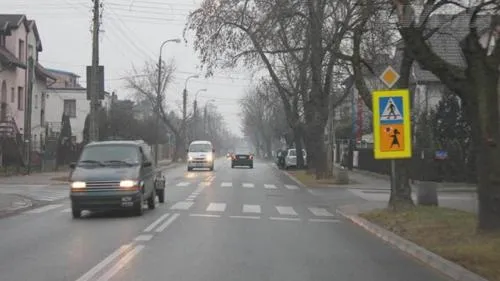
In which phase of intensive rain is the asphalt roadway more slippery?
A: Initial phase.
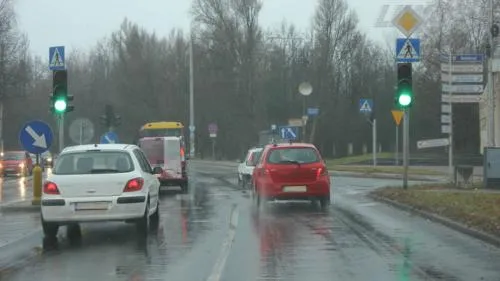
In which of these circumstances are you obliged to change from the beam headlights to low beam?
C: When approaching a moving vehicle in front of you and there is a possibility of blinding the driver.
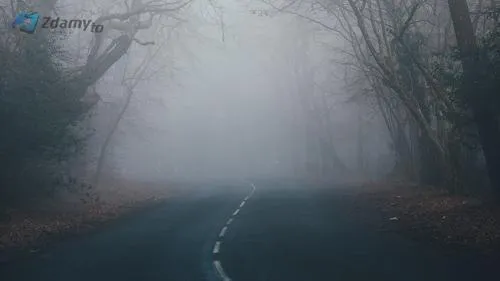
How can the danger of driving a vehicle in heavy fog be minimised?
B: Increase the distance between you and the preceding vehicle.
What negative effects can snow or ice on the roadway have on the driver?
B: Reduced tyre grip on the road.
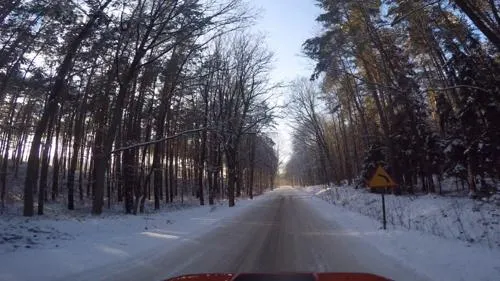
What negative effects can snow or ice on the roadway have on the driver?
A: Increased risk of skidding.
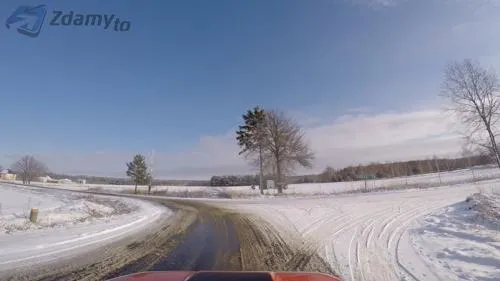
What behaviour increases the risk of skidding on icy road surfaces?
A: Sudden hard braking.
What behaviour increases the risk of skidding on icy road surfaces?
B: Sudden speed increase.
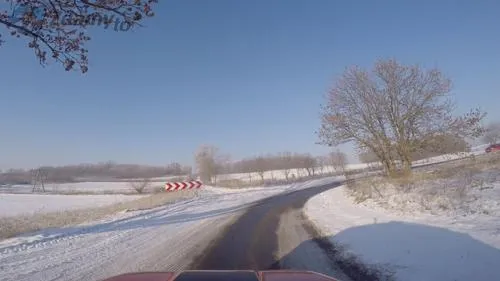
What behaviour increases the risk of skidding on icy road surfaces?
A: Maintaining too high speed, particularly in bends.
How often should you turn a non-traumatic victim to the other side after laying him in the recovery position?
B: Every 30 minutes.
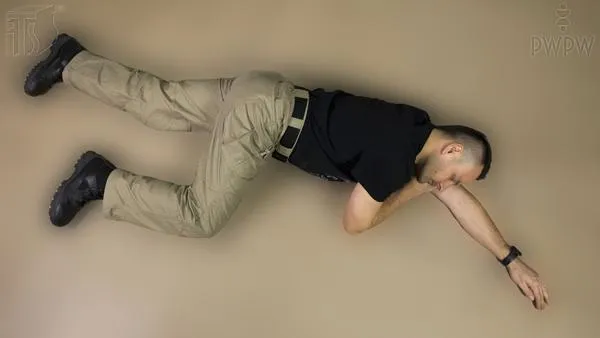
You notice shortness of breath in a child. There is no one around to help. Which of the following actions should be taken?
B: Perform artificial breathing and chest compressions for 1 minute and then call for help.
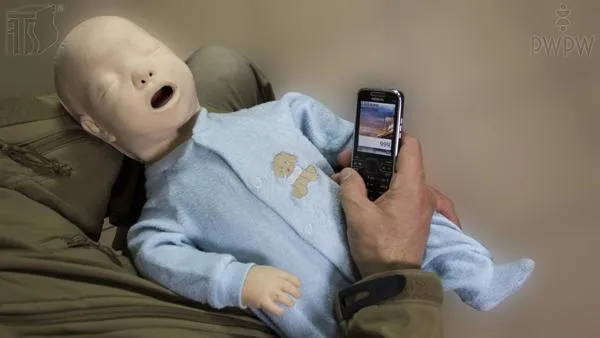
What should you do in the case of nose bleeding?
A: Squeeze the wings of the nose and lean your head forward.
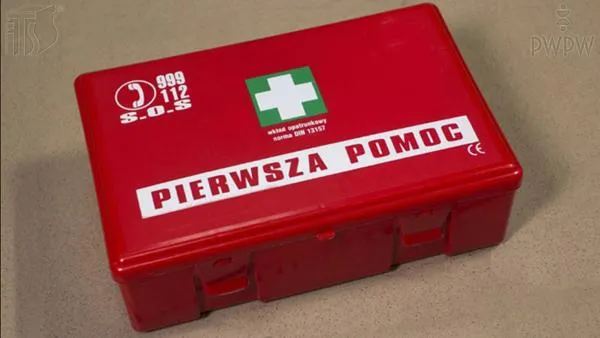
What should be preceded by chest compressions in an infant that has been placed on a table or the floor?
A: Place diapers or a towel under the child's back, so that the forehead, chin and chest are in one line.
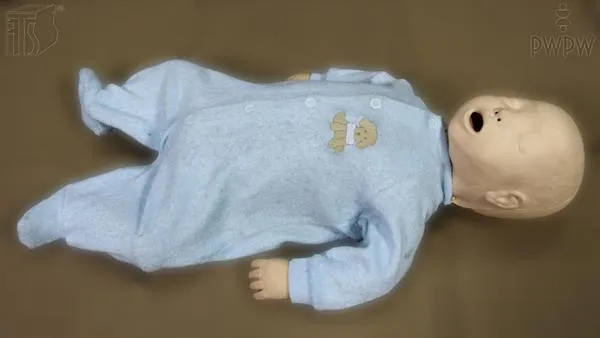
Which of these symptoms indicate rib fracture in a conscious victim?
A: The victim complains of pain that intensifies with deep breathing and movement.
A victim has a closed fracture of the lower limb and complains of severe pain. He is waiting for the arrival of the medical rescue team. What actions should be taken by a witness to the incident?
A: Encourage the victim not to move.
What should you do if you suspect a cervical spine injury and lack of breath in the victim of a road accident?
C: Begin cardiopulmonary resuscitation (CPR).
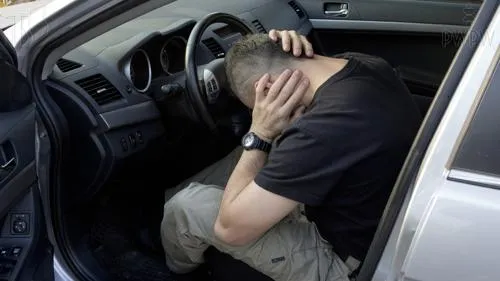
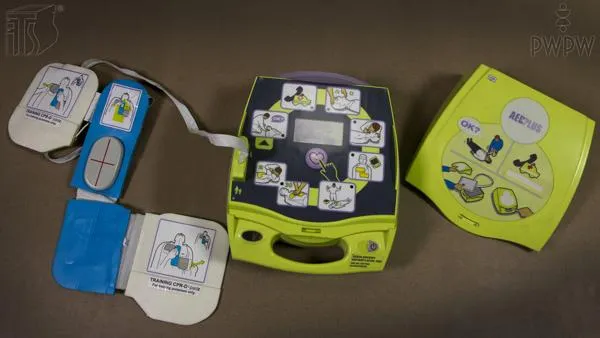
In which situation, do you not use an automatic external defibrillator (AED) on a victim?
C: Where the victim has wet clothes or is lying in a puddle.
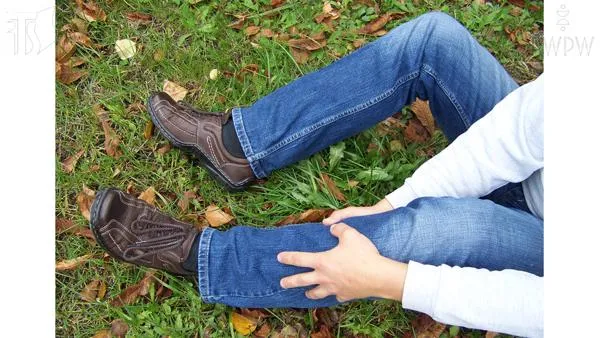
What should you do with a victim who probably broke his leg in an accident?
A: I should temporarily immobilize the fracture by tying both legs together and wait for the ambulance.
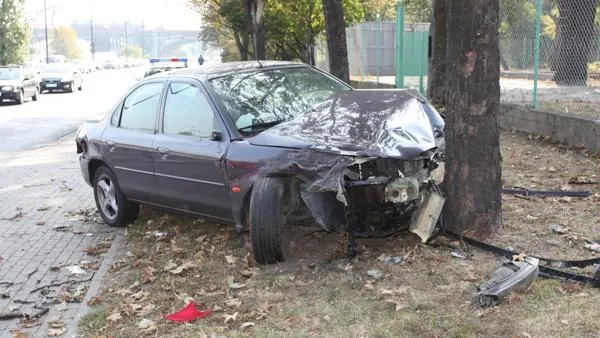
When should you cease any resuscitation activities towards a person who is a victim of an accident?
B: After the restoration of life functions (pulse, breathing).
What should you do if a fall from a single-track vehicle results in a head injury with visible nose-bleeding or ear-bleeding?
A: Immobilize the head and the neck section of the spine, and apply a protective dressing.
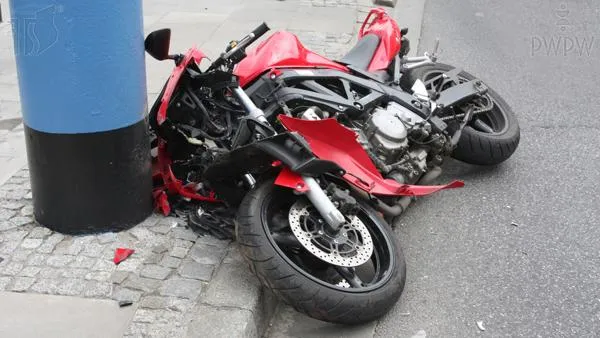
What injuries usually accompany severe head injuries suffered after a fall from a single-track vehicle?
C: Injuries to the neck section of the spine and the skull.
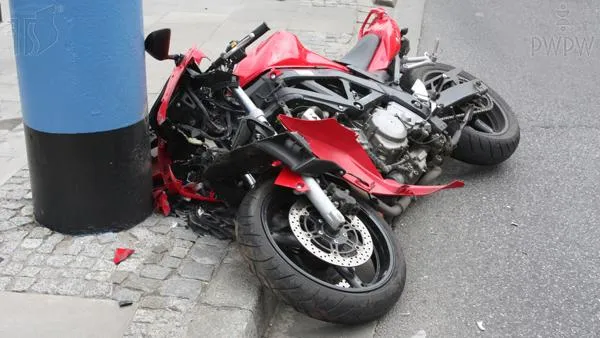
How should you administer first aid to a victim of an accident who still has a pulse, but is not breathing?
C: I should clear the respiratory tract, and if this is ineffective, I should commence resuscitation.
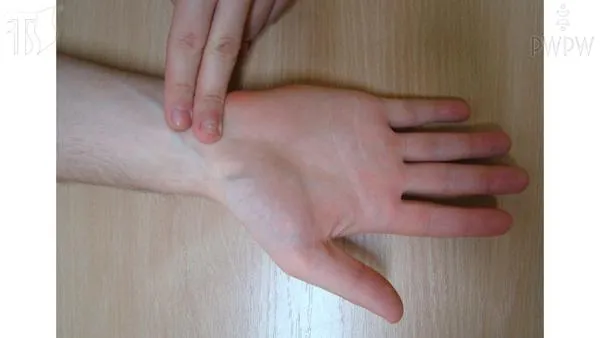
What should a driver do when he experiences a severe, burning pain in his chest?
A: He should immediately stop, call the ambulance, because he might be having a heart attack.
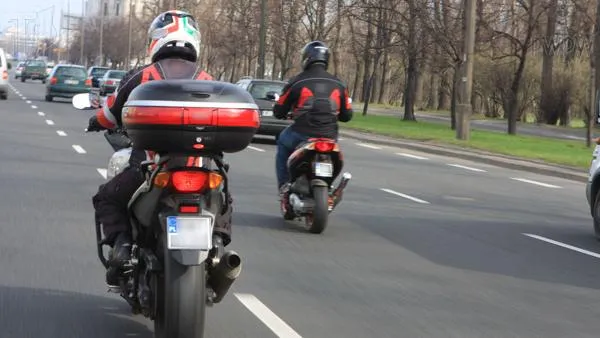
What should you do if you identify an open fracture?
B: Immobilize two adjacent joints.
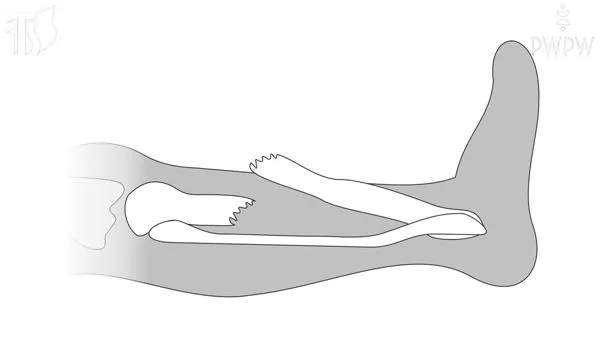
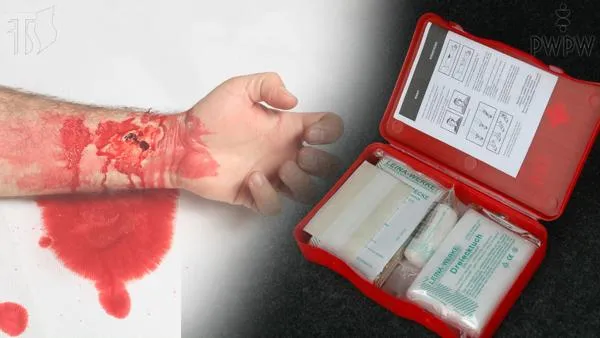
What should you use as a dressing for severely-bleeding wounds?
B: A pressure dressing of gauze, cloth and bandage.
How should you protect a person who, while driving without his safety belts fastened, has suffered an injury to the face and probably of the neck spine, but is conscious?
A: Hold his head and, if available, put on a cervical collar.
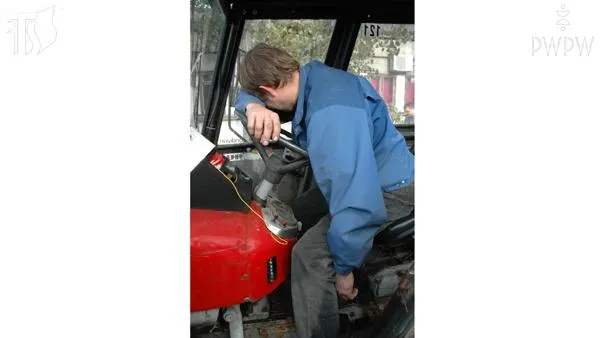
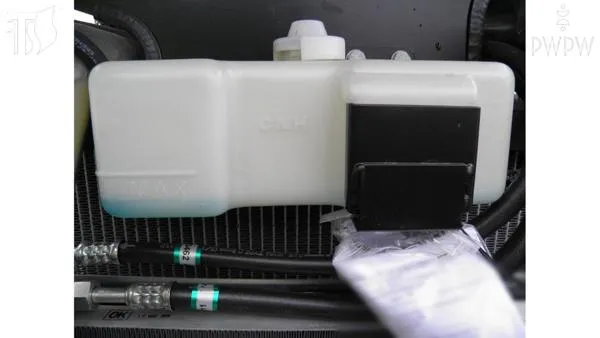
What measures should you take in case of face burns suffered while removing the radiator cap?
C: Cool the face with cold water, cover with sterile gauze or hydrogel.
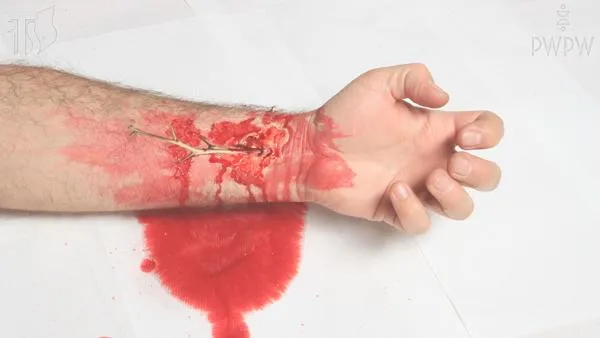
What should you do if some foreign matter has impaled itself into a passenger's forearm?
B: Seal the edges of the wound with a dressing and do not remove the foreign matter from the wound.
When should you cease to perform resuscitation to a person who is a victim of an accident?
B: After restoration of life functions (pulse, breathing).
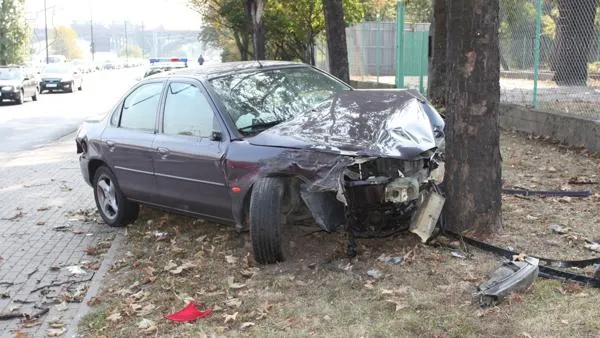
How should you provide first aid to a victim of an accident who still has a pulse, but is not breathing?
C: I should clear the respiratory tract, and if this is ineffective, commence resuscitation.
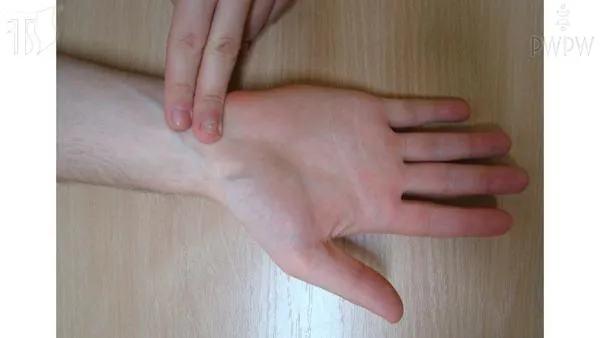
How should you secure a victim of an open limb fracture?
B: Immobilize two adjacent joints.
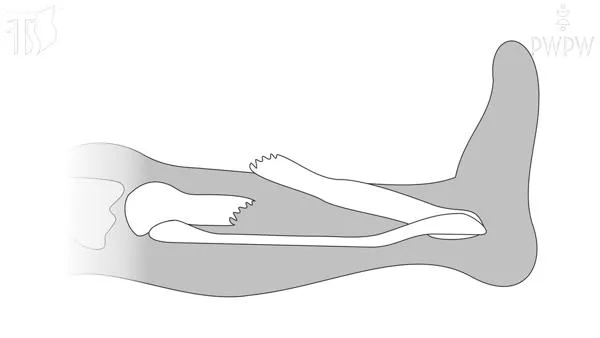
What should you use to dress severely-bleeding wounds?
B: A pressure dressing of gauze, cloth and bandage.
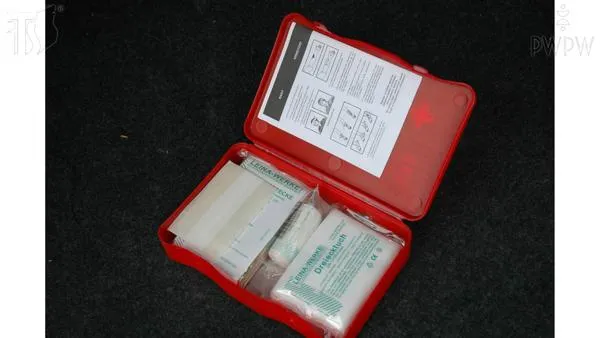
How should you dress a heavily bleeding wound?
A: Apply a pressure dressing with gauze and bandage.
How long should you keep checking whether the unconscious person is breathing?
B: For 10 seconds.
When giving first aid to a person, where must hands be applied during chest compressions?
C: In the center of the chest.
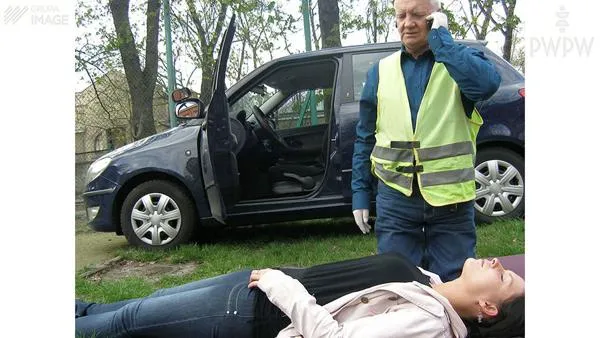
In what circumstances should an injured person be placed in the recovery position?
B: When the person is unconscious and is breathing.
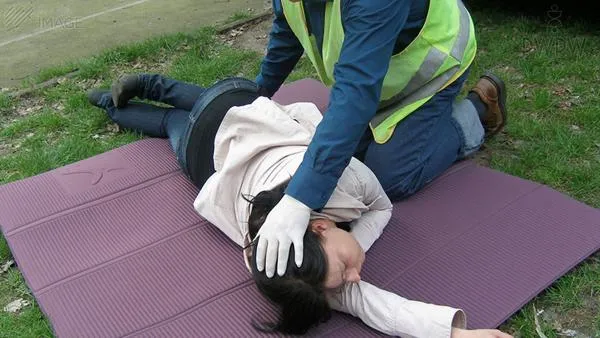
How should you dress a heavily bleeding wound to stop the bleeding?
A: Apply a pressure dressing.
Which of the following substances must you not use to clean the wound?
A: Salicylic spirit.
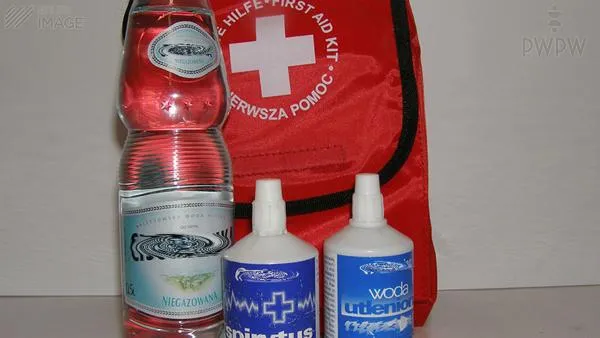
Which of the following actions is not appropriate in nosebleed treatment?
A: Tilting the injured person’s head backwards.
How should you treat an injured person with a severe bleeding from the forearm?
A: Place a sterile dressing on the wound, bind it with a bandage and press firmly with a bandage roll, then raise the limb up.
If you suspect a limb fracture, you should immobilise the casualty’s:
C: both the fractured area and the joints above and below this area.
How should you treat the victim who has suffered a burn?
C: Cool it with water.
In which of the following situations should you stop cardiopulmonary resuscitation?
A: When the injured person starts breathing spontaneously.
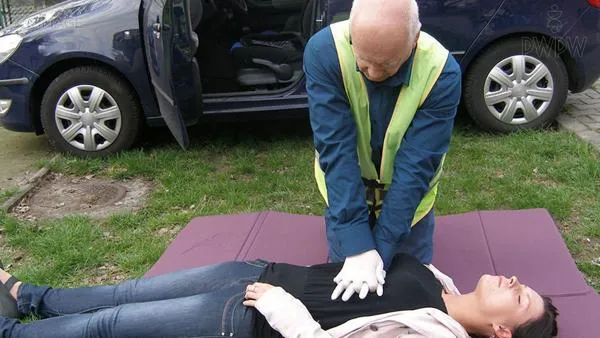
How should you proceed, if there is an embedded object (wire, stick, knife) in the leg of an accident victim?
C: Do not remove the embedded object, securely protect the wound by immobilizing the embedded object, call for help.
While performing resuscitation to an adult you should perform chest compressions at the rate of:
A: 100-120 chest compressions per minute.
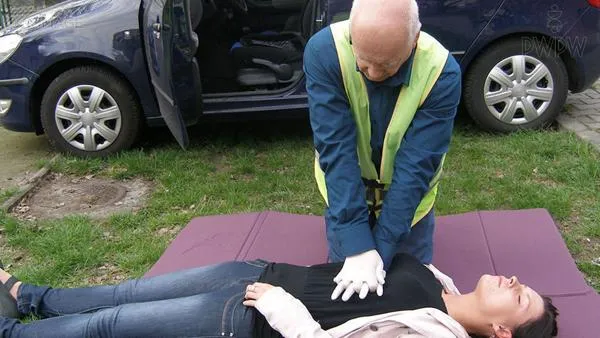
Which method of chest compressions is correct when performing a cardiac massage to an adult?
A: Pressing downwards with two hands placed in the centre of the chest.
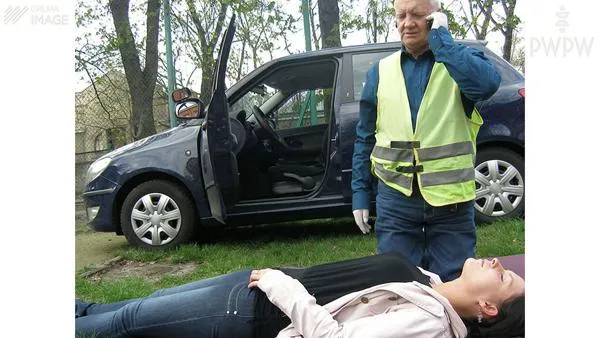
How should you secure a conscious victim who has suffered a head injury as a consequence of an accident?
B: Place the victim in a half-sitting position, apply a sterile gauze dressing on the wound and calm the victim down.
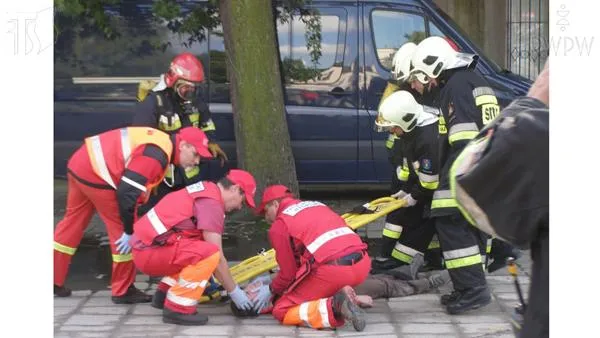
Will you be protecting the victim of an accident by covering him/her with a thermal insulating blanket?
A: Yes
What should you not do when assessing whether an accident victim is conscious or not?
A: Pour water on his face.
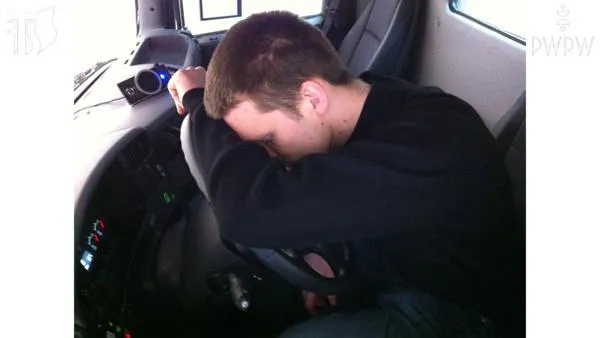
If a victim has mistakenly swallowed a caustic substance, should you induce vomiting?
B: No, under no circumstances.
After what time the does the ischemic brain of an accident casualty die?
A: After approx. 4-5 minutes.
The recovery position is deemed safe for the person injured in a road accident because:
B: it is stable, it provides a clear airway and prevents the injured person from choking.
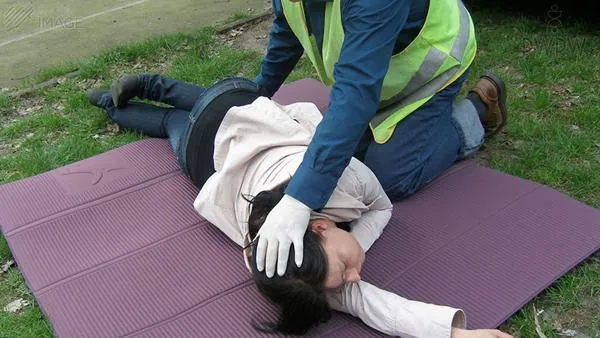
How long should you perform cardiac massage and artificial respiration to a person injured in an accident?
B: Until the person regains their breath or is handed over to a paramedic.
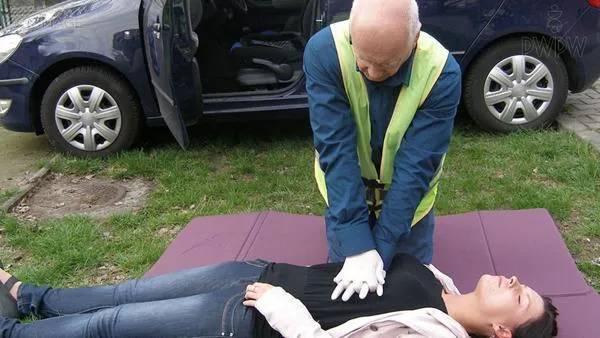
What should you do, if you notice that an unconscious victim of a road accident is not breathing?
B: Remove the injured from the crashed vehicle and commence resuscitation.
In this situation, does the strong lateral wind pose a danger to the motorcyclist and other road users in the vicinity?
A: Yes
When driving at night on an unlit, winding road outside built-up areas, you should not drive at the maximum speed limit to avoid hitting an unlit obstacle. Is this true?
A: Yes