Wyposażenie pojazdu związane z bezpieczeństwem, korzystanie z pasów, zagłówków i fotelików
41 questions in this category
Online mock exam →Polish law mandates seatbelt use for all vehicle occupants in all seating positions. Children under 150 cm tall must use appropriate child restraint systems. Every vehicle must be equipped with specific safety items including a warning triangle, reflective vest, and fire extinguisher. Headrests must be properly adjusted to prevent whiplash injuries.
Why This Category Matters on the Exam
Safety equipment questions appear in 2-3 exam questions and test both legal requirements and practical knowledge about proper use. Questions about child seats are particularly detailed, testing knowledge of which seat type is appropriate for different age groups and sizes. These are factual questions with clear right and wrong answers.
Common Mistakes and Tips
Poland requires a fire extinguisher in every vehicle, which differs from many Western European countries where it is only recommended. The extinguisher must have a valid inspection date. For child seats, the key rule is height-based (under 150 cm), not purely age-based. Children under 150 cm must use an appropriate restraint system (rear-facing seat, forward-facing seat, or booster seat depending on their weight and size). A child may only travel without a special seat if they are over 135 cm and the seatbelt fits them properly. The exam tests exceptions to seatbelt requirements: taxi drivers while carrying passengers, persons with medical exemptions (with a certificate), and certain emergency situations. Headrests should be positioned so the center aligns with the back of your head, not your neck. Many candidates incorrectly believe the reflective vest only needs to be in the vehicle; in fact, it should be accessible from inside the cabin, not in the boot.
Which of the following elements must any passenger car be fitted with?
A: Warning triangle.
Which of the following elements should each passenger car be equipped with?
B: With a fire extinguisher.
Which of the following persons are obliged to use seat belts?
B: A vehicle driver.
org.webp)
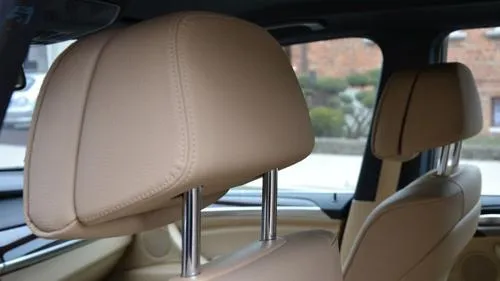
What is the role of a properly placed headrest in case of a road accident?
B: It protects the cervical vertebrae.
org.webp)
In head-on crashes the use of seat belts:
A: reduces the risk of serious or deadly injuries.
In which situation will a fastened safety belt not function properly:
A: When it is twisted.
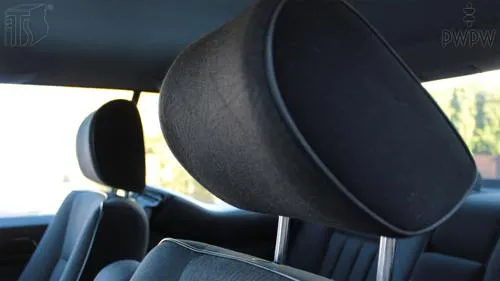
How should the headrest be positioned?
A: In such a way that its upper part is at the level of the top of the head.
What is the function of the anti-lock braking system (ABS)?
C: It facilitates bypassing obstacles while braking.
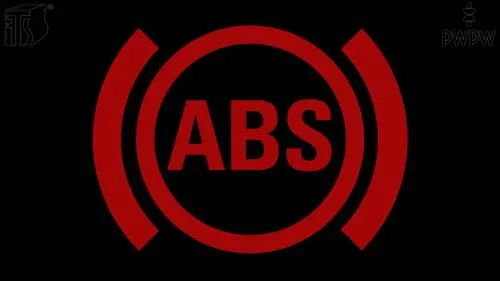
How can the shortest braking distance of a car equipped with the anti-lock braking system (ABS) be achieved?
C: By pressing the braking pedal to the maximum.
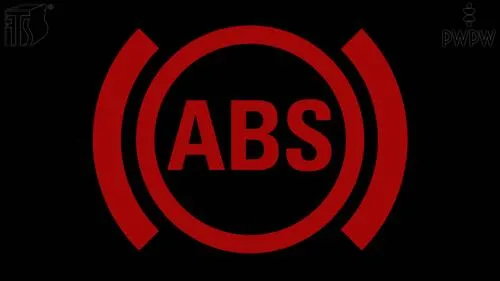
What is the function of the anti-lock braking system (ABS) applied in cars?
A: It helps to change the course of driving while braking.
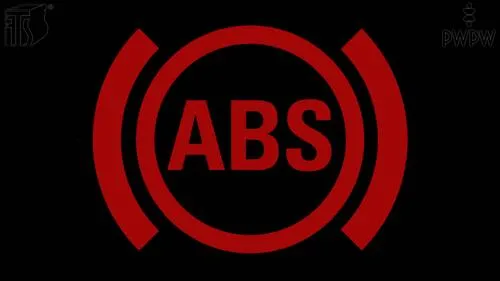
What is the function of airbags?
C: They reduce bodily injuries which may be suffered by the driver and passengers as a result of a crash.
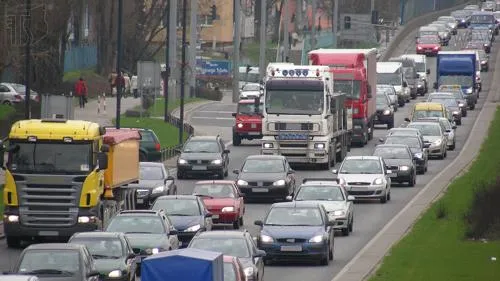
Should you wear your seatbelts while driving in these road conditions?
B: Yes, in any case.
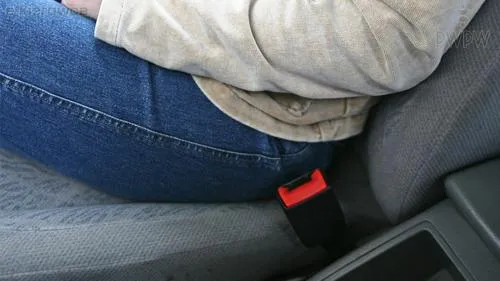
Which of the following persons are exempted from the obligation to use safety belts when travelling in a passenger car?
C: Woman with a visible pregnancy.
What is the function of the ABS (anti-lock brake system) in a vehicle?
B: It allows the driver to control the vehicle at the time of sudden braking.
Which of these damages to the safety belts indicates an absolute need to replace the belt with a new one?
B: Abrasion, tear and narrowing of the seat belts.
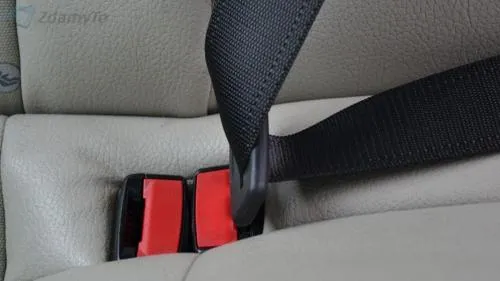
Which of the mentioned body parts is the headrest on the vehicle seat designed to protect?
A: The cervical spine.
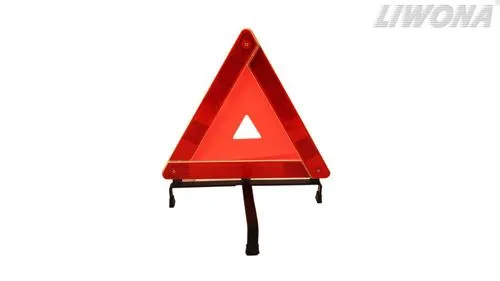
What is the purpose of the triangle, which is a mandatory equipment for passenger cars?
B: Warning of an immobilized vehicle on the road due to breakdown.
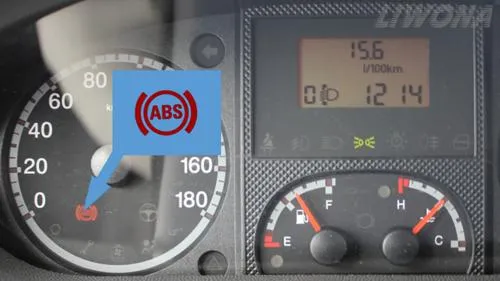
With which system in a passenger car does the anti-lock "ABS" operate?
B: Brake.
You are driving a bus carrying passengers free of charge. Are you allowed in this situation to drive onto the lane marked with the "BUS" sign?
B: No
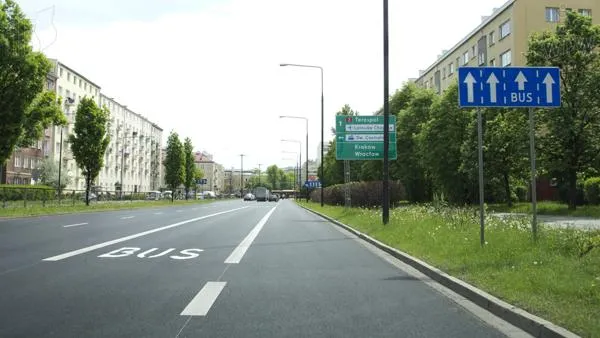
You are driving a bus which performs paid transport on regular lines. Are you allowed to use the right lane at any time in this situation?
A: Yes
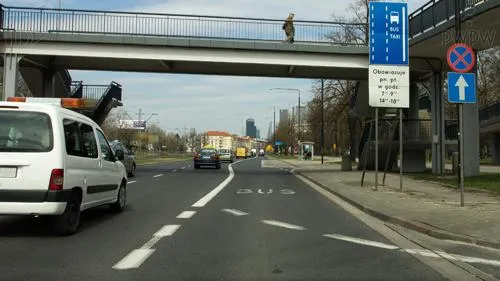
In this situation, when you're changing lanes, are you obliged to indicate your intention of making such a manoeuvre?
A: Yes
Can you ride a motorcycle in a lane designated for buses?
C: No.
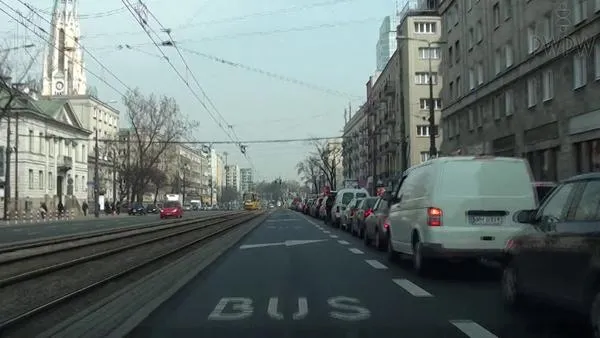
If you ride a single-track motorcycle, can you use the lane designated for bicycles?
C: No.
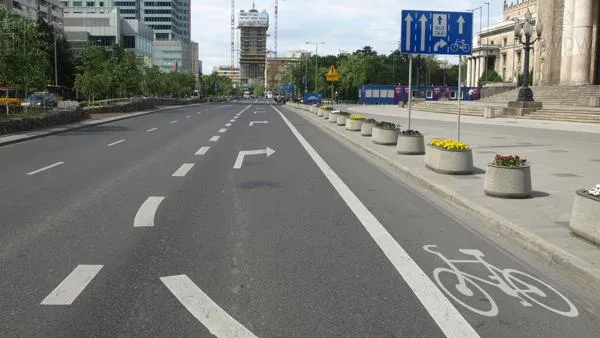
If you're riding a moped, can you use the lane designated for bicycles?
C: No.
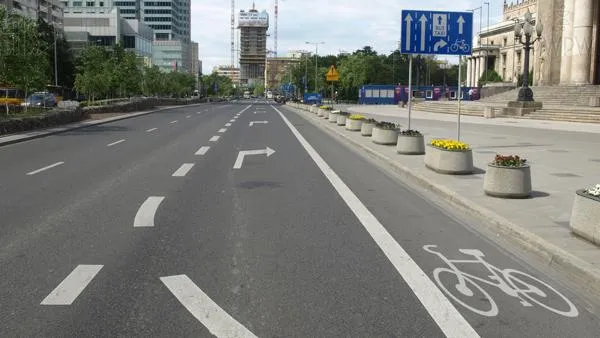
If you're riding a moped, can you use the lane designated for bicycles?
A: No.
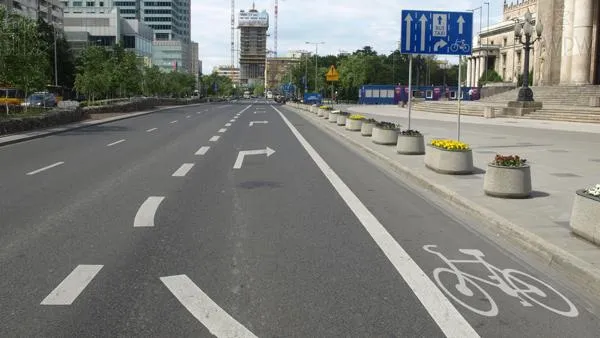
When you're changing lanes, how should you observe the surrounding area?
C: By looking in the mirrors and turning the head slightly in order to eliminate the so-called "blind spot".
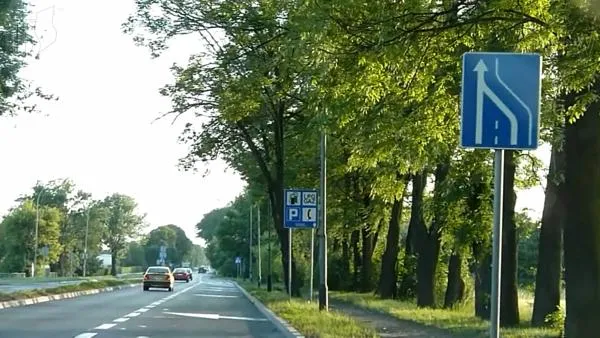
If you change lanes once you go past this sign, are you obliged to indicate your intention of making such a manoeuvre?
A: Yes
How should you observe the road while riding your motorcycle, if you intend to enter the traffic lane on your left?
C: By looking into the left mirror, and if necessary, turning your head.
In this situation, is the driver of the vehicle travelling in the right lane obliged to allow you change lanes?
A: Yes
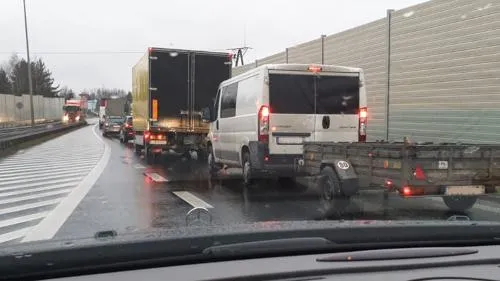
Is the driver of the vehicle in the right lane obliged to allow you change lanes after driving past this sign?
B: No
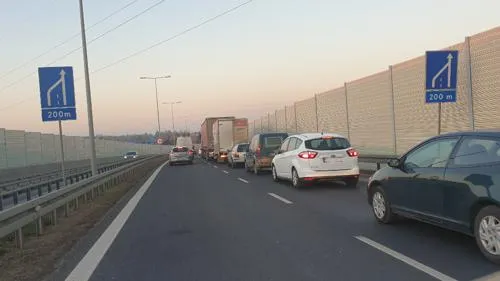
Is the driver obliged to apply the so-called "zipper merge" when there is no significant speed reduction ?
B: No
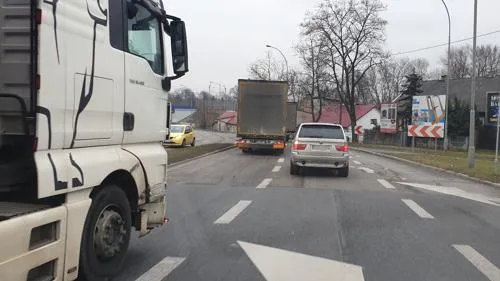
Are you obliged, in this situation, to ensure that no other vehicle is approaching from the lane you intend to drive into?
A: Yes
You intend to change lanes to the left. Are you obliged to yield way to vehicles in the left lane?
A: Yes
You intend to change lanes to the left. Do you have the right of way over vehicles travelling in this lane?
B: No
You intend to change lanes to the left. Should you clearly signal this change in advance?
A: Yes
Should you exercise extreme caution when changing lanes?
A: Yes
You change lanes by signalling this accordingly. Are you obliged to stop signalling a lane change manoeuvre as soon as it is done?
A: Yes
When changing lanes to the left, in this situation, do you have the right of way over vehicles in the lane you intend to enter?
B: No
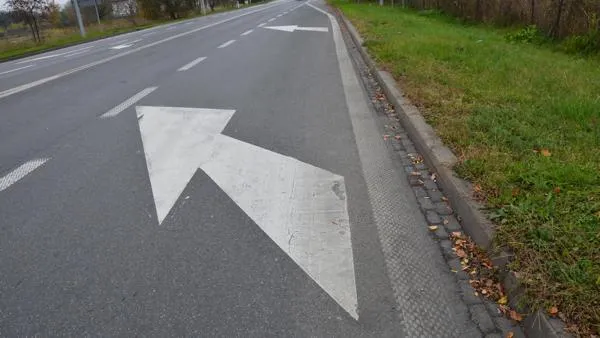
Does the absence of other vehicles in the lane you are driving into exempt you from the obligation to exercise extreme caution?
B: No
Are you obliged to exercise extreme caution when switching lanes in this situation?
A: Yes
In the presented situation, are the drivers obliged to allow vehicles on the vanishing lane to change lanes?
B: No