
Zachowanie wobec pieszego, wobec osoby o ograniczonej możliwości poruszania się
115 questions in this category
Online mock exam →Poland significantly strengthened pedestrian protection laws in 2021, granting pedestrians priority when they are approaching or waiting to use a pedestrian crossing (not just when already on it). Drivers must also exercise special consideration toward persons with limited mobility, including those using wheelchairs, the visually impaired using white canes, and elderly pedestrians.
Why This Category Matters on the Exam
Pedestrian-related questions appear in 3-4 exam questions and are among the most critical safety topics. The 2021 law change making pedestrians approaching a crossing have priority is heavily tested because it represents a major shift in Polish traffic law. Incorrect answers here indicate a dangerous lack of awareness about vulnerable road user protection.
Common Mistakes and Tips
The most important rule since June 2021 is that pedestrians have priority not only when on the crossing but also when entering or clearly intending to enter the crossing. You must slow down and prepare to stop when you see a pedestrian approaching the crossing. However, pedestrians do not have priority at crossings controlled by traffic lights (they must wait for their green signal). A person with a white cane (visually impaired) or a person in a wheelchair has absolute priority everywhere, even outside designated crossings. Many candidates forget that at intersections without marked crossings, pedestrians crossing the road on the driver's turning path still have priority. Splashing a pedestrian with water from a puddle is also a traffic offense in Poland.
Are you allowed to continue driving in this situation, not paying attention to the behaviour of the pedestrian?
B: No
Are you allowed to continue driving without any reaction to the behaviour of the pedestrian?
B: No
Should you anticipate the pedestrian bursting onto the road?
A: Yes
You intend to drive into the gate. Are you obliged to give the right of way to these pedestrians?
A: Yes
You intend to drive into the gate. Are you obliged to give the right of way to these pedestrians?
A: Yes
Do you have the right of way over pedestrians in this situation?
B: No
When continuing driving in the place shown, are you obliged to drive slowly?
A: Yes
Are you obliged to stop the vehicle in this situation?
A: Yes
Are you obliged to allow the pedestrian to cross the road?
A: Yes
In the presented situation the tram has stopped at the tram stop. Are you allowed to continue driving?
B: No
Are you obliged to stop the vehicle in the presented situation?
A: Yes
Are you obliged to stop the vehicle in the presented situation?
A: Yes
In the presented situation, can you resume driving only after the tram has moved off?
B: No
Are you obliged to observe the behaviour of the pedestrians in this situation?
A: Yes
Can you continue driving not taking into account the behaviour of the pedestrian?
B: No
Did you chose the place for stopping correctly in this situation?
B: No
In this situation, should you carefully observe the behaviour of the pedestrian?
A: Yes
In this situation, if you exercise special caution, can you enter the pedestrian crossing?
B: No
If you drive through a puddle, should you slow down to avoid splashing pedestrians?
A: Yes
In this situation, can you use the horn?
B: No
In this situation, are you obliged to allow the pedestrian to cross the road?
A: Yes
In this situation, are you obliged to give way to the pedestrian?
A: Yes
In this situation, are you obliged to stop the vehicle to let the pedestrian cross the street?
A: Yes
In this situation, do you have the right of way over the pedestrians?
B: No
In this situation, are you obliged to give way to the pedestrians?
A: Yes
You intend to turn right. Do you have the right of way over the pedestrians?
B: No
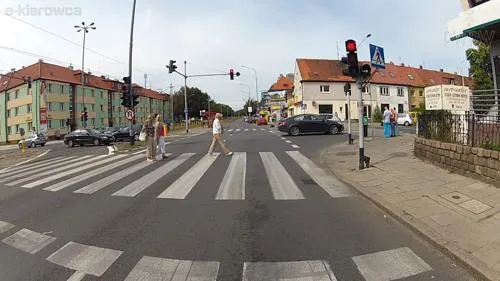
In this situation, are you obliged to yield the right of way to pedestrians when in the traffic zone?
A: Yes
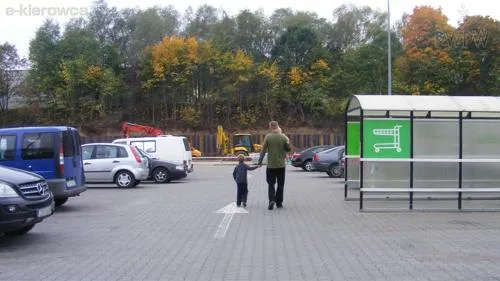
In the situation presented, does the green signal exempt you from the necessity to exercise special caution at a pedestrian crossing?
B: No
Turning right in the presented situation, are you obliged to yield priority to pedestrians?
A: Yes
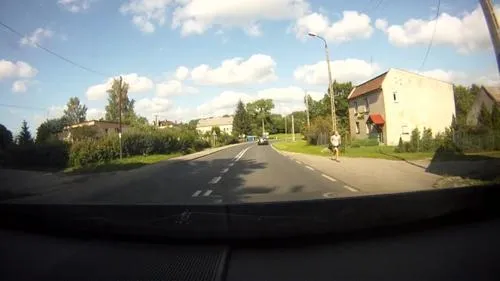
In this situation, should you yield the right of way to the pedestrian?
A: Yes
In the present situation, are you obliged to be particularly careful?
A: Yes
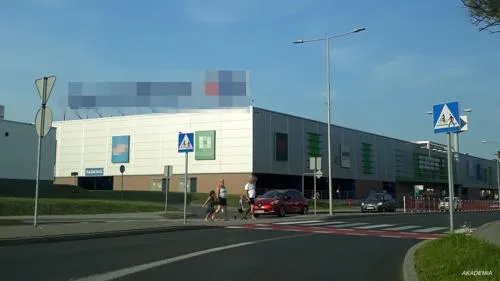
When approaching a pedestrian crossing, are you obliged to observe the surrounding area?
A: Yes
When approaching a pedestrian crossing, are you obliged to observe the surrounding area?
A: Yes
In this situation, are you allowed to continue driving without stopping before the pedestrian crossing?
B: No
In this situation, are you obliged to yield the right of way to the pedestrian?
A: Yes
In this situation, is it enough if you only exercise extreme caution?
B: No
Are you obliged in this situation to reduce your speed?
B: No
In this situation, are you only obliged to be cautious?
B: No
Are you obliged in this situation to reduce your speed when approaching a pedestrian crossing?
B: No
Are you obliged in this situation to stop the vehicle?
A: Yes
Can you continue driving in this situation?
B: No
In this situation, are you obliged to stop moving to yield the right of way to a pedestrian entering the crossing?
A: Yes
In this situation, are you obliged to stop your vehicle to yield the right of way to a pedestrian?
A: Yes
In this situation, are you obliged to give way to a pedestrian?
B: No
In the situation presented, are you obliged to give way to the pedestrian?
A: Yes
Are you obliged to give way to a pedestrian entering a crossing?
A: Yes
In the presented situation, are you allowed to continue driving through the pedestrian crossing without stopping?
A: Yes
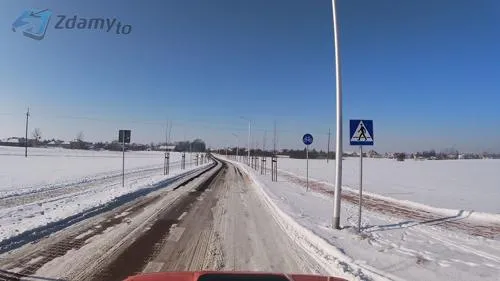
In this situation, is the tram driver obliged to reduce the speed and if necessary stop?
A: Yes
Does the tram, as a rail vehicle have priority over pedestrians passing through the pedestrian crossing?
B: No
In this situation, are you obliged to exercise particular caution?
A: Yes
In such a situation, are you allowed to move on without waiting for the pedestrian to leave the pedestrian crossing?
B: No
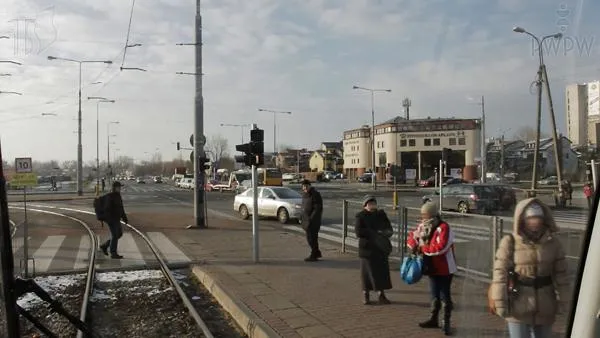
In this situation, should the tram driver wait until the pedestrian leaves the crossing?
A: Yes
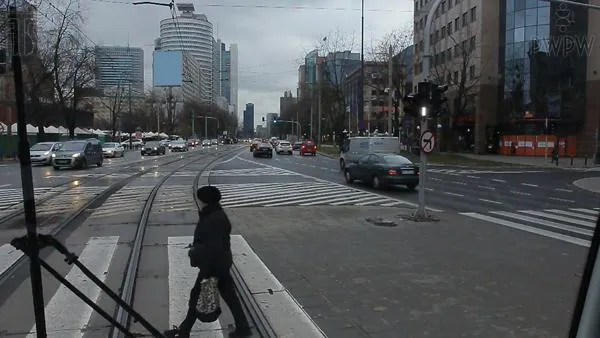
In this situation, will you have priority over the cyclist when he is on the crossing?
B: No
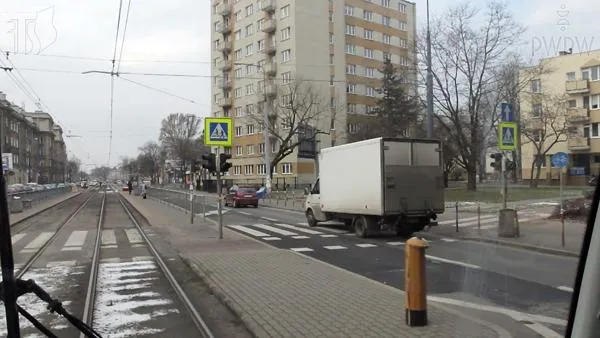
In a place marked as such, are you obliged to anticipate that a cyclist may appear on the crossing?
A: Yes
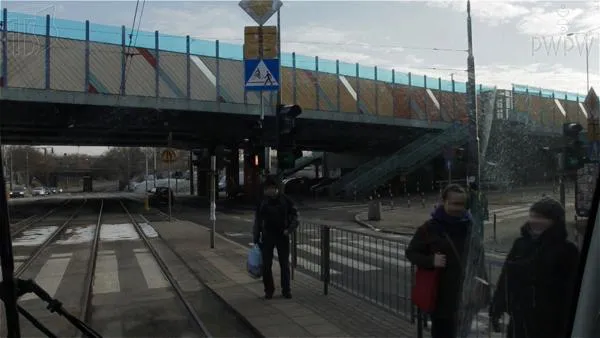
In such a situation, do you have the right of way over the pedestrian?
B: No
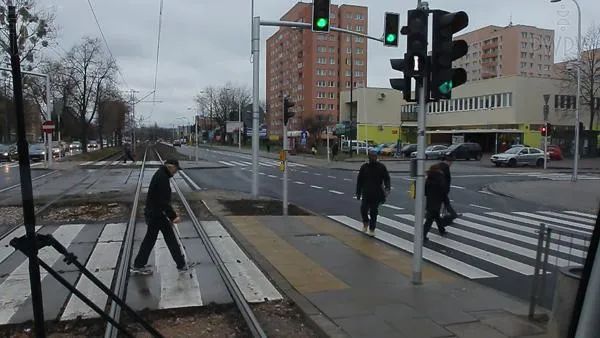
In this situation, are you obliged to stop in the place indicated by the conditional stop line?
A: Yes
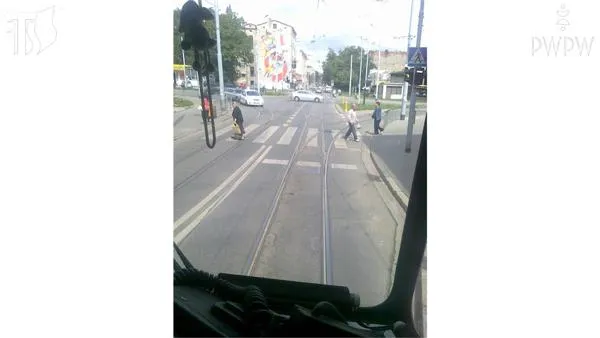
In this situation, do you have the right to continue driving provided you yield the right of way to pedestrians?
B: No
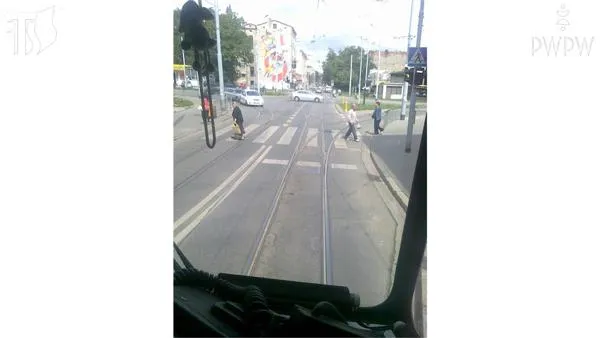
In this situation, should you prepare yourself for braking?
A: Yes
In this situation, should you carefully observe pedestrians at the bus stop?
A: Yes
In this situation, are you obliged to yield the right of way to pedestrians?
A: Yes
When driving a tram in this situation, are you allowed to use the sound signal?
A: Yes
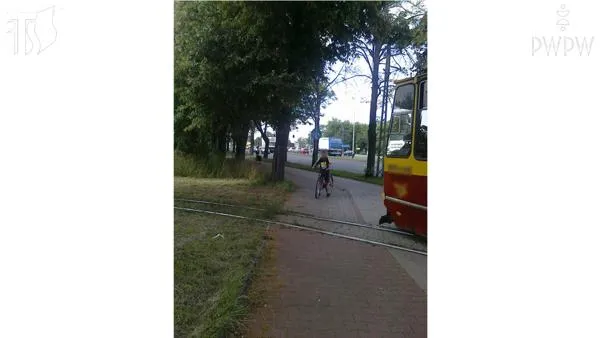
In this situation, when driving a tram, are you obliged to yield the right of way to a cyclist riding on a bicycle lane?
A: Yes
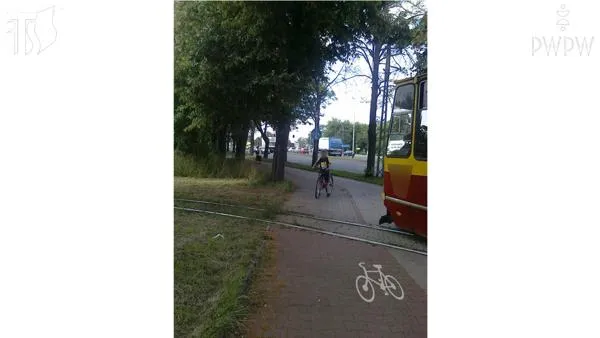
In this situation, are you obliged to reduce speed, even though there are no pedestrians at the pedestrian crossing?
A: Yes
Can you overtake the cyclist in this situation?
B: No
Are you obliged to stop the moped?
A: Yes
Are you entitled to continue driving in this situation?
B: No
Are you obliged to stop, even though the bus is running on the tram tracks?
A: Yes
In this situation, do you have the right of way over the cyclist?
B: No
Can you continue driving in this situation?
B: No
Have you acted accordingly by stopping the moped on this spot?
A: Yes
Pay attention to the mandatory signs. Is riding a bicycle on this road compliant with the regulations?
B: No
Are you obliged to yield the right of way to a pedestrian approaching a pedestrian crossing?
B: No
In this situation, are you obliged to heighten your attention to the extent that permits you to react quickly enough?
A: Yes
In this situation, should you heighten your attention to such an extent as to enable you to react quickly enough?
A: Yes
Are you obliged to yield the right of way to a pedestrian entering a pedestrian crossing?
B: No
In this situation, can you drive past the pedestrian?
B: No
In this situation, are you obliged to stop your vehicle to allow a pedestrian to cross the road?
A: Yes
Are you obliged to reduce your speed in this situation so as not to endanger the pedestrian?
A: Yes
When a disabled person or someone with visibly reduced mobility enters a pedestrian crossing with a special sign, should you anticipate having to stop your vehicle?
A: Yes
In this situation, are you entitled to continue driving without paying attention to the behaviour of pedestrians?
B: No
.webp)
Does a traffic light at a pedestrian crossing absolve you of your responsibility to exercise extra caution?
B: No
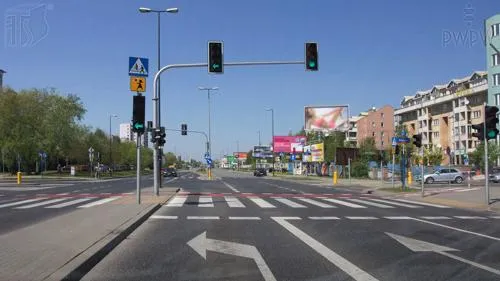
At the spot marked by the visible sign, are you required to yield to someone using a mobility aid who is crossing at a cycling crossing?
A: Yes
When a person with visible, limited mobility is crossing the road outside a pedestrian crossing, are you obliged to stop to allow them to cross?
A: Yes
When a disabled person using a special white cane is crossing the road outside a pedestrian crossing, are you obliged to stop to allow them to cross?
A: Yes
When turning into a crossroad, are you obliged to give way to a person in a wheelchair crossing the road at the junction you are entering?
A: Yes
While exercising extreme caution, is it permissible to slowly drive past a person in a wheelchair who is entering a pedestrian crossing?
B: No
When passing a pedestrian, must the driver reduce speed if necessary?
A: Yes
Is the driver approaching the courtesy crossing informed of this by appropriate road signs?
B: No
Does a pedestrian crossing the road at a courtesy crossing have the right of way over an approaching vehicle?
B: No
In an area where pedestrians and vehicles share the same space, with no designated lanes or footpaths, does a driver have the right of way over pedestrians who are moving around the area?
B: No
When driving in an area without designated lanes for vehicles and pedestrians, where they share the same space, is the driver obliged to yield to pedestrians who are moving around the area?
A: Yes
Is a driver in an area marked with this sign required to yield to a pedestrian crossing the road outside of a designated crossing?
A: Yes
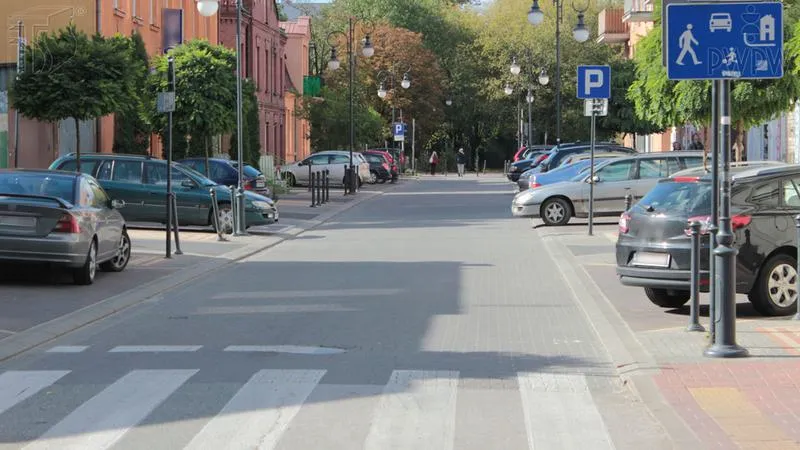
When approaching a pedestrian crossing marked in this way, should a driver expect to see a child under the age of 10 riding a bicycle under the supervision of an adult crossing the road at this point?
A: Yes
In this scenario, can you continue driving only after the pedestrian has completely exited the pedestrian crossing?
B: No
In this scenario, are you required to yield to a pedestrian who is about to step onto the pedestrian crossing?
A: Yes
You want to drive across the pavement. In this situation, are you obliged to refrain from driving if it could compel a pedestrian to stop, slow down or quicken their pace?
A: Yes
In this scenario, when you notice a pedestrian stepping onto the road from the left, should you be cognisant that they have the right of way?
A: Yes
In this scenario, are you required to stop and allow pedestrians crossing the road on the left side to pass?
B: No
In this situation, are you obliged to give way to the pedestrian?
A: Yes
In this situation, are you required to refrain from impeding the movement of the pedestrian visible on your left?
A: Yes
In this scenario, should you anticipate the possibility of the pedestrian entering the pedestrian crossing?
A: Yes
In this scenario, should you anticipate that the pedestrian will step onto the road directly in front of your vehicle?
A: Yes
In this situation, are you required to stop and wait until the pedestrian has completely crossed to the other side of the road?
B: No