Logo
Back to all questions

Zachowanie na przejazdach kolejowych i tramwajowych

123 questions in this category

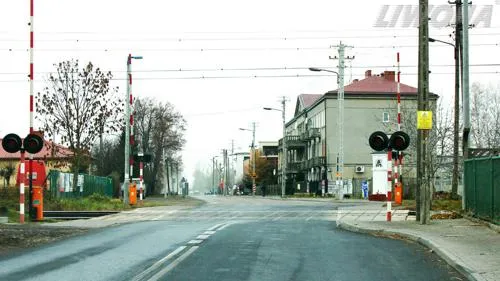
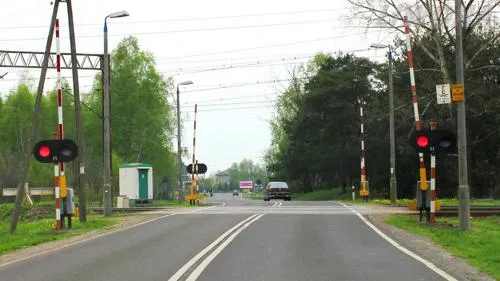
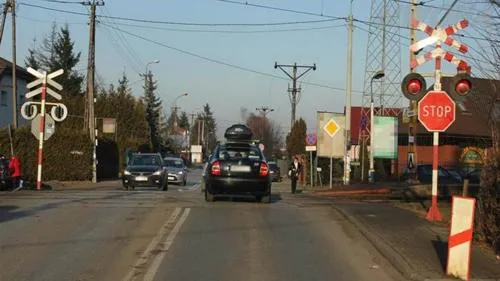
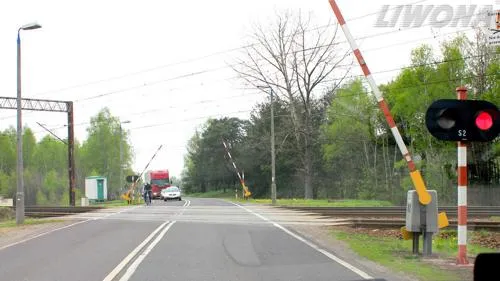
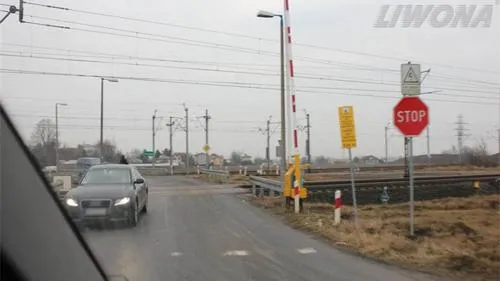
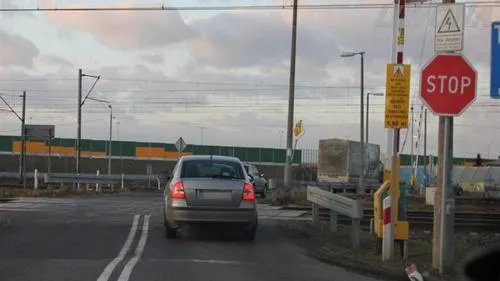
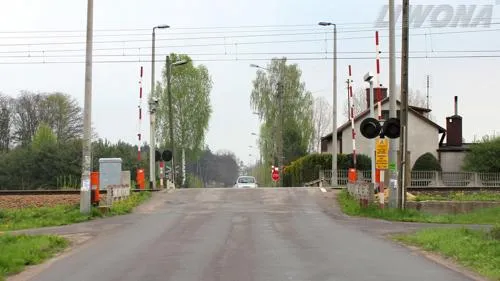
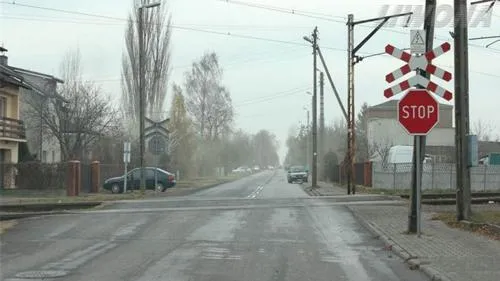
Poland has numerous railway level crossings (przejazdy kolejowe) and urban tram crossings that require specific driver behavior. Railway crossings are marked with St. Andrew's crosses and may be equipped with barriers, half-barriers, light signals, or no protection at all. Tram crossings within cities present unique challenges as trams always have priority and cannot stop quickly.

Why This Category Matters on the Exam

Railway and tram crossing rules generate 2-4 exam questions and represent life-or-death scenarios. Collisions at railway crossings are almost always fatal, so the exam heavily tests this knowledge. Questions often show crossing signals and ask whether you may proceed. Given Poland's extensive railway network and urban tram systems, this is essential practical knowledge.

Common Mistakes and Tips

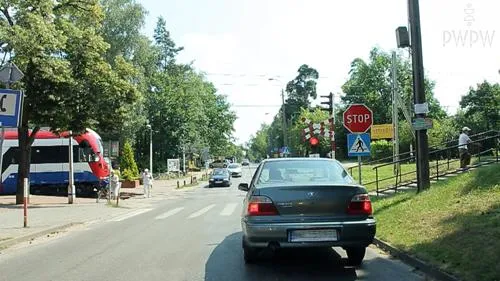
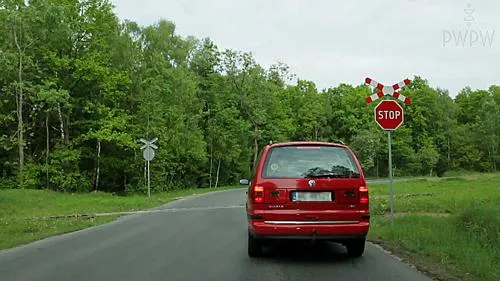
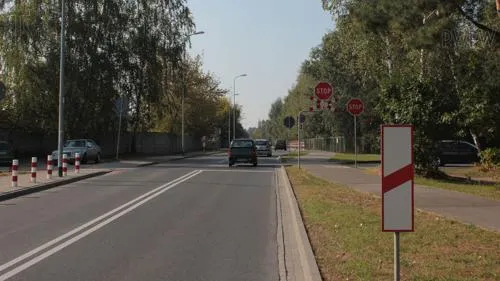
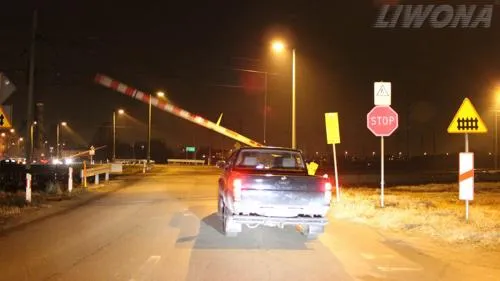
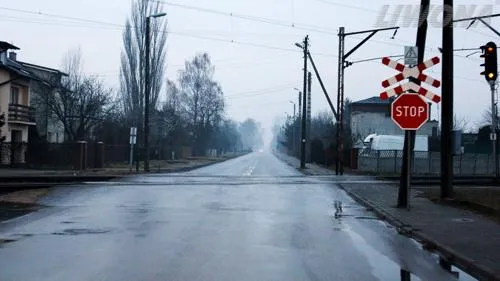
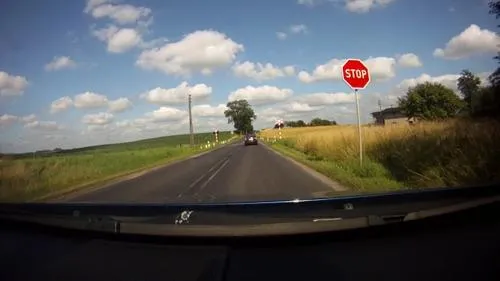
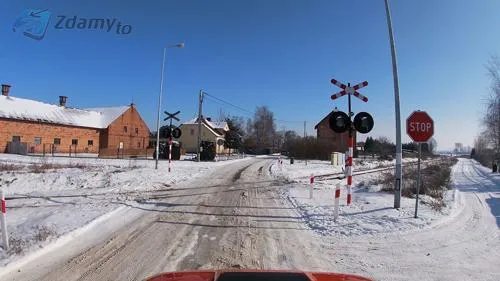
The critical rule is that you must stop when: barriers are lowered or being lowered, red lights are flashing, an audible signal is sounding, or a train is visible approaching. You must stop within 10 meters of the nearest rail. Many candidates do not know that at unprotected crossings (no barriers or lights), you must slow down to a speed allowing you to stop before the tracks. Overtaking is prohibited on crossings and within 100 meters before them. Stopping or parking on tram tracks is always prohibited. A frequently tested scenario involves a crossing where barriers have just risen: you may proceed, but with caution. In Poland, some crossings have a mandatory STOP sign requiring you to stop and verify the track is clear regardless of whether signals are active.

3

Are you obliged to exercise particular caution in the presented situation?

Art. 28 ust. 1 ustawy z dnia 20 czerwca 1997 r. Prawo o ruchu drogowym (Dz. U. z 2012 r. poz. 1137, z późn. zm.), w związku § 6 ust. 1, § 3 ust. 4, § 21 ust. 4, § 78 ust. 1 pkt 3 rozporządzenia Ministrów Infrastruktury oraz Spraw Wewnętrznych i Administracji z dnia 31 lipca 2002 r. w sprawie znaków i sygnałów drogowych (Dz. U. Nr 170, poz. 1393, z późn. zm.)".
A,B,C,D,T,AM,A1,A2,B1,C1,D1#2332

A: Yes

Question media
3

Are you exempt from the duty to exercise particular caution in the presented situation?

Art. 28 ust. 1 ustawy z dnia 20 czerwca 1997 r. Prawo o ruchu drogowym (Dz. U. z 2012 r. poz. 1137, z późn. zm.), w związku § 6 ust. 1, § 3 ust. 4, § 21 ust. 4, § 78 ust. 1 pkt 3 rozporządzenia Ministrów Infrastruktury oraz Spraw Wewnętrznych i Administracji z dnia 31 lipca 2002 r. w sprawie znaków i sygnałów drogowych (Dz. U. Nr 170, poz. 1393, z późn. zm.)
A,B,C,D,T,AM,A1,A2,B1,C1,D1#2333

B: No

Question media
3

Are you obliged in this situation to make sure that there is no train coming from either side?

Art. 28 ust. 1 ustawy z dnia czerwca 1997 r. Prawo o ruchu drogowym (Dz.U. z 2012 r. poz. 1137).
A,B,C,D,T,AM,A1,B1,C1,D1#2429

A: Yes

Question media
3

When approaching this level crossing, do you have to make sure that there will be no train coming when you are driving through it?

Art. 28 ust. 1 ustawy z dnia 20 czerwca 1997 r. Prawo o ruchu drogowym (Dz. U. z 2012 r. poz. 1137, z późn. zm.).
A,B,C,D,T,AM,A1,A2,B1,C1,D1#2434

A: Yes

Question media
3

When the barriers are lifted, are you obliged to make sure that there is no train approaching?

Art. 28 ust. 1 ustawy z dnia 20 czerwca 1997 r. - Prawo o ruchu drogowym (Dz. U. z 2005r. Nr 108 poz.908 z pózn. zm. ) w zw. Z § 6 ust.1 rozporządzenia Ministrów Infrastruktury oraz Spraw Wewnętrznych i Administracji z dnia 31 lipca 2002 r. w sprawie znaków i sygnałów drogowych (Dz. U. Nr 170, poz. 139 3 , późn. zm.)
A,B,C,D,T,AM,A1,A2,B1,C1,D1#2436

A: Yes

Question media
3

Are you allowed in this situation to stop your vehicle before the level crossing?

Art. 28 ust. 1 ustawy z dnia 20 czerwca 1997 r. Prawo o ruchu drogowym (Dz. U. z 2012 r. poz. 1137, z późn. zm.), w związku § 21 ust. 4, § 78 ust. 1 pkt 3, § 78 ust. 5 pkt 1 rozporządzenia Ministrów Infrastruktury oraz Spraw Wewnętrznych i Administracji z dnia 31 lipca 2002 r. w sprawie znaków i sygnałów drogowych (Dz. U. Nr 170, poz. 1393, z późn. zm.)
A,B,C,D,T,AM,A1,A2,B1,C1,D1#2440

A: Yes

Question media
3

Can you drive through the level crossing without stopping after the vehicle in front of you has started off?

Art. 28 ust. 1 ustawy z dnia 20 czerwca 1997 r. Prawo o ruchu drogowym (Dz. U. z 2012 r. poz. 1137, z późn. zm.), w związku § 21 ust. 4, § 78 ust. 1 pkt 3, § 78 ust. 5 pkt 1 rozporządzenia Ministrów Infrastruktury oraz Spraw Wewnętrznych i Administracji z dnia 31 lipca 2002 r. w sprawie znaków i sygnałów drogowych (Dz. U. Nr 170, poz. 1393, z późn. zm.)
A,B,C,D,T,AM,A1,A2,B1,C1,D1#2442

B: No

Question media
3

Are you allowed to drive into a level crossing if the half-barriers have been fully lifted and the red signal has not yet been switched off?

Art. 5 i art. 28 ust. 1 ustawy z dnia 20 czerwca 1997 r. Prawo o ruchu drogowym (Dz. U. z 2012 r. poz. 1137, z późn. zm.), w związku § 98 ust. 5, § 21 ust. 4, § 78 ust. 5 pkt 1 rozporządzenia Ministrów Infrastruktury oraz Spraw Wewnętrznych i Administracji z dnia 31 lipca 2002 r. w sprawie znaków i sygnałów drogowych (Dz. U. Nr 170, poz. 1393, z późn. zm.)
A,B,C,D,T,AM,A1,A2,B1,C1,D1#2443

B: No

Question media
3

When intending to drive left beyond the level crossing in this situation, can you continue driving?

Art. 28 ust. 1 ustawy z dnia 20 czerwca 1997 r. Prawo o ruchu drogowym (Dz. U. z 2012 r. poz. 1137, z późn. zm.), w związku § 6 ust. 1, § 13 ust. 1, § 78 ust. 1 pkt 3 rozporządzenia Ministrów Infrastruktury oraz Spraw Wewnętrznych i Administracji z dnia 31 lipca 2002 r. w sprawie znaków i sygnałów drogowych (Dz. U. Nr 170, poz. 1393, z późn. zm.)
A,B,C,D,T,AM,A1,A2,B1,C1,D1#2448

B: No

Question media
3

Are you allowed in this situation to enter the level crossing, if the red light has already gone out, but halfbarriers are yet the be fully raised?

Art. 28 ust. 1 ustawy z dnia 20 czerwca 1997 r. Prawo o ruchu drogowym (Dz. U. z 2012 r. poz. 1137, z późn. zm.), w związku § 21 ust. 4, § 98 ust. 5 rozporządzenia Ministrów Infrastruktury oraz Spraw Wewnętrznych i Administracji z dnia 31 lipca 2002 r. w sprawie znaków i sygnałów drogowych (Dz. U. Nr 170, poz. 1393, z późn. zm.)
A,B,C,D,T,AM,A1,A2,B1,C1,D1#2458

B: No

Question media
3

Are you allowed to enter this level crossing directly after the passage of a train, regardless of the signal displayed?

Art. 5 i 28 ust. 2 ustawy z dnia 20 czerwca 1997 r. Prawo o ruchu drogowym (Dz. U. z 2012 r. poz. 1137, z późn. zm.), w związku § 98 ust. 5, § 21 ust. 4, § 78 ust. 1 pkt 3 i § 78 ust. 5 pkt 2 rozporządzenia Ministrów Infrastruktury oraz Spraw Wewnętrznych i Administracji z dnia 31 lipca 2002 r. w sprawie znaków i sygnałów drogowych (Dz. U. Nr 170, poz. 1393, z późn. zm.)
A,B,C,D,T,AM,A1,A2,B1,C1,D1#2465

B: No

Question media
3

Are you allowed to drive onto this level crossing right after the barriers have been lifted without making sure that there is no train approaching?

Art. 28 ust. 2 ustawy z dnia 20 czerwca 1997 r. - Prawo o ruchu drogowym (Dz. U. z 2005r. Nr 108 poz.908 z pózn. zm. ) w zw. Z § 6 ust.1 Rozporządzenia Ministrów Infrastruktury oraz Spraw Wewnętrznych i Administracji z dnia 31 lipca 2002 r. w sprawie znaków i sygnałów drogowych (Dz. U. Nr 170, poz. 139 3 , późn. zm.)
A,B,C,D,T,AM,A1,A2,B1,C1,D1#2467

B: No

Question media
3

Are you allowed to drive onto the level crossing when the barriers are not fully lifted?

Art. 28 ust. 1 i ust. 3 pkt 1 ustawy z dnia 20 czerwca 1997 r. Prawo o ruchu drogowym (Dz. U. z 2012 r. poz. 1137, z późn. zm.).
A,B,C,D,T,AM,A1,A2,B1,C1,D1#2472

B: No

Question media
3

In the presented situation the engine will not start and you have no possibility of removing the vehicle from the track-way. Are you obliged to warn the driver of the rail vehicle of danger?

Art. 28 ust. 4 ustawy z dnia 20 czerwca 1997 r. Prawo o ruchu drogowym (Dz. U. z 2012 r. poz. 1137, z późn. zm.), w związku § 21 ust. 4, § 78 ust. 5 pkt 1 rozporządzenia Ministrów Infrastruktury oraz Spraw Wewnętrznych i Administracji z dnia 31 lipca 2002 r. w sprawie znaków i sygnałów drogowych (Dz. U. Nr 170, poz. 1393, z późn. zm.)
B#2475

A: Yes

Question media
3

In the presented situation the engine will not start. Are you obliged to try to remove the vehicle from the track-way?

Art. 28 ust. 4 ustawy z dnia 20 czerwca 1997 r. Prawo o ruchu drogowym (Dz. U. z 2012 r. poz. 1137, z późn. zm.), w związku § 21 ust. 4, § 78 ust. 5 pkt 1 rozporządzenia Ministrów Infrastruktury oraz Spraw Wewnętrznych i Administracji z dnia 31 lipca 2002 r. w sprawie znaków i sygnałów drogowych (Dz. U. Nr 170, poz. 1393, z późn. zm.)".
B#2478

A: Yes

Question media
3

Do you have to be prepared to stop your vehicle when approaching the tram crossing?

Art. 28 ust. 6 ustawy z dnia 20 czerwca 1997 r. - Prawo o ruchu drogowym (Dz. U. z 2005r. Nr 108 poz.908 z pózn. zm. ) w zw. Z § 10 ust. 3 Rozporządzenia Ministrów Infrastruktury oraz Spraw Wewnętrznych i Administracji z dnia 31 lipca 2002 r. w sprawie znaków i sygnałów drogowych (Dz. U. Nr 170, poz. 139 3 , późn. zm.)
A,B,C,D,T,AM,A1,A2,B1,C1,D1#2480

A: Yes

Question media
3

Are you obliged in this situation to make sure that there is no tram approaching?

Art. 28 ust. 1 i 6 ustawy z dnia 20 czerwca 1997 r. Prawo o ruchu drogowym (Dz. U. z 2012 r. poz. 1137, z późn. zm.), w związku § 10 ust. 3 rozporządzenia Ministrów Infrastruktury oraz Spraw Wewnętrznych i Administracji z dnia 31 lipca 2002 r. w sprawie znaków i sygnałów drogowych (Dz. U. Nr 170, poz. 1393, z późn. zm.)
A,B,C,D,T,AM,A1,A2,B1,C1,D1#2482

A: Yes

Question media
3

Are you obliged in this situation to make sure that there is no tram approaching?

Art. 5 i art. 28 ust. 6 ustawy z dnia 20 czerwca 1997 r. Prawo o ruchu drogowym (Dz. U. z 2012 r. poz. 1137, z późn. zm.), w związku § 10 ust. 3, § 95 ust. 1 pkt 1 rozporządzenia Ministrów Infrastruktury oraz Spraw Wewnętrznych i Administracji z dnia 31 lipca 2002 r. w sprawie znaków i sygnałów drogowych (Dz. U. Nr 170, poz. 1393, z późn. zm.)
A,B,C,D,T,AM,A1,A2,B1,C1,D1#2486

A: Yes

Question media
3

Can you pass the stationary vehicle in this situation?

Art. 5 i 28 ust. 3 pkt 4 ustawy z dnia 20 czerwca 1997 r. Prawo o ruchu drogowym (Dz. U. z 2012 r. poz. 1137, z późn. zm.), w związku § 21 ust. 4, § 98 ust. 5 rozporządzenia Ministrów Infrastruktury oraz Spraw Wewnętrznych i Administracji z dnia 31 lipca 2002 r. w sprawie znaków i sygnałów drogowych (Dz. U. Nr 170, poz. 1393, z późn. zm.)
A,B,C,D,T,AM,A1,A2,B1,C1,D1#2490

B: No

Question media
3

Should you stop behind the stationary vehicle in this situation?

Art. 5 i art. 28 ust. 3 pkt 4 ustawy z dnia 20 czerwca 1997 r. Prawo o ruchu drogowym (Dz. U. z 2012 r. poz. 1137, z późn. zm.), w związku § 21 ust. 4, § 98 ust. 5 rozporządzenia Ministrów Infrastruktury oraz Spraw Wewnętrznych i Administracji z dnia 31 lipca 2002 r. w sprawie znaków i sygnałów drogowych (Dz. U. Nr 170, poz. 1393, z późn. zm.)
A,B,C,D,T,AM,A1,A2,B1,C1,D1#2491

A: Yes

Question media
3

If you want to continue driving left beyond the level crossing, should you stop before the half-barrier?

Art. 28 ust. 1 ustawy z dnia 20 czerwca 1997 r. Prawo o ruchu drogowym (Dz. U. z 2012 r. poz. 1137, z późn. zm.), w związku § 6 ust. 1, § 13 ust. 1, § 78 ust. 1 pkt 3 rozporządzenia Ministrów Infrastruktury oraz Spraw Wewnętrznych i Administracji z dnia 31 lipca 2002 r. w sprawie znaków i sygnałów drogowych (Dz. U. Nr 170, poz. 1393, z późn. zm.)
A,B,C,D,T,AM,A1,A2,B1,C1,D1#3419

A: Yes

Question media
3

Are you obliged to always stop the vehicle before the level crossing?

Art. 28 ustawy z dnia 20 czerwca 1997 r. Prawo o ruchu drogowym (Dz.U. z 2012 r. poz. 1137), w zw. z par. 78 ust. 5 pkt 1 oraz par. 89 ust. 3 rozporządzenia Ministrów Infrastruktury oraz Spraw Wewnętrznych i Administracji z dnia 31 lipca 2002 r. w sprawie znaków i sygnałów drogowych. (Dz. U. Nr 170 poz. 1393 z późn. zm.).
A,B,C,D,T,AM,A1,A2,B1,C1,D1#3661

B: No

Question media
3

Are you obliged to stop in the designated place even when you have made sure that there is no rail vehicle approaching?

Art. 28 ustawy z dnia 20 czerwca 1997 r. Prawo o ruchu drogowym (Dz.U. z 2012 r. poz. 1137), w zw. z par. 78 ust. 5 pkt 1 oraz par. 89 ust. 3 rozporządzenia Ministrów Infrastruktury oraz Spraw Wewnętrznych i Administracji z dnia 31 lipca 2002 r. w sprawie znaków i sygnałów drogowych. (Dz. U. Nr 170 poz. 1393 z późn. zm.).
A,B,C,D,T,AM,A1,A2,B1,C1,D1#3662

B: No

Question media
3

Before driving into the track-way directly before the vehicle in front, are you obliged to make sure that there is no rail vehicle approaching?

Art. 28 ust. 1 ustawy z dnia 20 czerwca 1997 r. Prawo o ruchu drogowym (Dz. U. z 2012 r. poz. 1137, z późn. zm.), w związku § 21 ust. 1 i 4, § 78 ust. 5 pkt 1 rozporządzenia Ministrów Infrastruktury oraz Spraw Wewnętrznych i Administracji z dnia 31 lipca 2002 r. w sprawie znaków i sygnałów drogowych (Dz. U. Nr 170, poz. 1393, z późn. zm.)
A,B,C,D,T,AM,A1,A2,B1,C1,D1#3664

A: Yes

Question media
3

When approaching the tram track, are you obliged to make sure that there is no rail vehicle approaching?

Art. 28 ust. 6 ustawy z dnia 20 czerwca 1997 r. Prawo o ruchu drogowym (Dz. U. z 2012 r. poz. 1137, z późn. zm.), w związku § 10 ust. 3 rozporządzenia Ministrów Infrastruktury oraz Spraw Wewnętrznych i Administracji z dnia 31 lipca 2002 r. w sprawie znaków i sygnałów drogowych (Dz. U. Nr 170, poz. 1393, z późn. zm.)
A,B,C,D,T,AM,A1,A2,B1,C1,D1#3667

A: Yes

Question media
3

In the presented situation, before driving onto the rails, are you obliged to make sure that no rail vehicle is approaching?

Art. 28 ust. 1 ustawy z dnia 20 czerwca 1997 r. Prawo o ruchu drogowym (Dz. U. z 2012 r. poz. 1137, z późn. zm.), w związku § 6 ust. 1, § 3 ust. 4, § 21 ust. 4, § 78 ust. 1 pkt 3 rozporządzenia Ministrów Infrastruktury oraz Spraw Wewnętrznych i Administracji z dnia 31 lipca 2002 r. w sprawie znaków i sygnałów drogowych (Dz. U. Nr 170, poz. 1393, z późn. zm.)t
A,B,C,D,T,AM,A1,A2,B1,C1,D1#4344

A: Yes

Question media
3

In this situation, can you enter the crossing if you exercise special caution?

§ 98 ust. 5 rozporządzenia Ministrów Infrastruktury oraz Spraw Wewnętrznych i Administracji z dnia 31 lipca 2002 r. w sprawie znaków i sygnałów drogowych (Dz. U. Nr 170, poz. 1393, z późn. zm.) oraz art. 5 i art. 28 ust. 3 pkt 1 ustawy z dnia 20 czerwca 1997 r. Prawo o ruchu drogowym (Dz. U. z 2012 r. poz. 1137, z późn. zm.)
A,B,C,D,T,AM,A1,A2,B1,C1,D1#6278

B: No

Question media
3

In this situation, can you drive through the railway crossing without stopping?

Art. 28 ust. 1 i 2 Ustawy Prawo o ruchu drogowym (Dz. U. z 2012 r. poz. 1137)
A,B,C,D,T,AM,A1,A2,B1,C1,D1#6279

A: Yes

Question media
3

In this situation, can you enter the railway crossing?

Art. 28 ust. 3 pkt 1 Ustawy Prawo o ruchu drogowym (Dz. U. z 2012 r. poz. 1137)
A,B,C,D,T,AM,A1,A2,B1,C1,D1#6280

B: No

Question media
3

Is it forbidden to park the car immediately after the countdown post you see here?

Art. 49 ust. 2 pkt 3 Ustawy Prawo o ruchu drogowym (Dz. U. z 2012 r. poz. 1137)
A,B,C,D,T,AM,A1,A2,B1,C1,D1#6281

A: Yes

Question media
3

In this situation, can you park the car on the right side, on the sidewalk immediately in front of the railway crossing?

Art. 49 ust. 2 pkt 3 Ustawy Prawo o ruchu drogowym (Dz. U. z 2012 r. poz. 1137)
A,B,C,D,T,AM,A1,A2,B1,C1,D1#6282

B: No

Question media
3

In this situation, can you bypass the barrier and enter the railway crossing after making sure that the train is not coming?

Art. 28 ust. 3 pkt 1 ustawy z dnia 20 czerwca 1997 r. Prawo o ruchu drogowym (Dz. U. z 2012 r. poz. 1137, z późn. zm.)
A,B,C,D,T,AM,A1,A2,B1,C1,D1#6283

B: No

Question media
3

In this situation, can you enter the railway crossing?

Art. 28 ust. 3 pkt 1 Ustawy Prawo o ruchu drogowym (Dz. U. z 2012 r. poz. 1137)
A,B,C,D,T,AM,A1,A2,B1,C1,D1#6286

B: No

Question media
3

In this situation, are you obliged to stop in front of the railway crossing?

Art. 28 ust. 3 pkt 1 Ustawy Prawo o ruchu drogowym (Dz. U. z 2012 r. poz. 1137)
A,B,C,D,T,AM,A1,A2,B1,C1,D1#6290

A: Yes

Question media
3

In this situation, can you overtake the cyclist?

Art. 28 ust. 3 pkt 3 Ustawy Prawo o ruchu drogowym (Dz. U. z 2012 r. poz. 1137)
A,B,C,D,T,AM,A1,A2,B1,C1,D1#7160

B: No

Question media
3

Are you obliged to stop in front of this level crossing even when you are sure that no train is approaching?

§ 21 ust. 4 i § 78 ust. 5 pkt 1 rozporządzenia Ministrów Infrastruktury oraz Spraw Wewnętrznych i Administracji z dnia 31 lipca 2002 r. w sprawie znaków i sygnałów drogowych (Dz. U. Nr 170, poz. 1393, z późn. zm.)
A,B,C,D,T,AM,A1,A2,B1,C1,D1#7431

A: Yes

Question media
3

In the presented situation, do you have the right to enter the level crossing without stopping after making sure that no rail vehicle is coming?

Art. 28 ust. 1 i 2 ustawy z dnia 20 czerwca 1997 r. - Prawo o ruchu drogowym (Dz. U. z 2012 r. poz. 1137, z późn. zm.) w zw. z § 21. ust 1 i 2 rozporządzenia Ministrów Infrastruktury oraz Spraw Wewnętrznych i Administracji z dnia 31 lipca 2002 r. w sprawie znaków i sygnałów drogowych (Dz. U. Nr 170, poz. 1393, z późn. zm.)
B#8304

B: No

Question media
3

In the presented situation, do you have the right to enter the level crossing?

§ 98. ust 5 rozporządzenia Ministrów Infrastruktury oraz Spraw Wewnętrznych i Administracji z dnia 31 lipca 2002 r. w sprawie znaków i sygnałów drogowych (Dz. U. Nr 170, poz. 1393, z późn. zm.)
B#8305

B: No

Question media
3

In the presented situation, are you approaching a level crossing without a barrier?

§ 6. ust 1 rozporządzenia Ministrów Infrastruktury oraz Spraw Wewnętrznych i Administracji z dnia 31 lipca 2002 r. w sprawie znaków i sygnałów drogowych (Dz. U. Nr 170, poz. 1393, z późn. zm.)
B#8306

B: No

Question media
3

Are you permitted to enter the level crossing while the barrier is being lifted by the railway worker?

Art. 28 ust. 3 pkt 1 ustawy z dnia 20 czerwca 1997 r. - Prawo o ruchu drogowym (Dz. U. z 2012 r. poz. 1137, z późn. zm.)
B#8309

B: No

Question media
3

When passing through a level crossing, do you have priority over an oncoming rail vehicle?

Art. 25 ust. 3 ustawy z dnia 20 czerwca 1997 r. - Prawo o ruchu drogowym (t.j.: Dz. U. z 2012 r. poz. 1137, z późn. zm.)
B#8311

B: No

Question media
3

In this situation, are you permitted to enter the level crossing while exercising special caution?

Art. 5 ust. 1 ustawy z dnia 20 czerwca 1997 r. - Prawo o ruchu drogowym (Dz. U. z 2012 r. poz. 1137, z późn. zm.) w zw. z § 98 ust. 5 rozporządzenia Ministrów Infrastruktury oraz Spraw Wewnętrznych i Administracji z dnia 31 lipca 2002 r. w sprawie znaków i sygnałów drogowych (Dz. U. Nr 170, poz. 1393, z późn. zm.)
B#8314

B: No

Question media
3

In the situation shown, are you in front of a single-rail level crossing?

§ 78 ust. 5 pkt 2 rozporządzenia Ministrów Infrastruktury oraz Spraw Wewnętrznych i Administracji z dnia 31 lipca 2002 r. w sprawie znaków i sygnałów drogowych (Dz. U. Nr 170, poz. 1393, z późn. zm.) w zw. z art. 7 ust. 1 ustawy z dnia 20 czerwca 1997 r. - Prawo o ruchu drogowym (Dz. U. z 2012 r. poz. 1137 i 1448)
B#8315

B: No

Question media
3

Upon passage of the rail vehicle, half of the barrier is lifted. Are you allowed in this situation to start driving on to the rail tracks?

Art. 28 ust. 3 pkt 1 ustawy z dnia 20 czerwca 1997 r. - Prawo o ruchu drogowym (Dz. U. z 2012 r. poz. 1137, z późn. zm.)
B#8316

B: No

Question media
3

In the presented situation, are you approaching a level crossing with barriers?

§ 6. ust 1 rozporządzenia Ministrów Infrastruktury oraz Spraw Wewnętrznych i Administracji z dnia 31 lipca 2002 r. w sprawie znaków i sygnałów drogowych (Dz. U. Nr 170, poz. 1393, z późn. zm.)
B#8317

A: Yes

Question media
3

Is it permitted on a one-way road to overtake a rail vehicle from the left?

Art. 24 ust. 4 ustawy z dnia 20 czerwca 1997 r. - Prawo o ruchu drogowym (Dz. U. z 2012 r. poz. 1137, z późn. zm.)
B#8320

A: Yes

3

Should you make sure that no rail vehicle is approaching before entering onto the rail tracks?

Art. 3 ust. 1 i art. 28 ust. 1 ustawy z dnia 20 czerwca 1997 r. - Prawo o ruchu drogowym (Dz. U. z 2012 r. poz. 1137 i 1448)
B#8322

A: Yes

Question media
3

Are you obliged in this situation to stop before the traffic light?

§ 98 ust. 5 rozporządzenia Ministrów Infrastruktury oraz Spraw Wewnętrznych i Administracji z dnia 31 lipca 2002 r. w sprawie znaków i sygnałów drogowych (Dz. U. Nr 170, poz. 1393, z późn. zm.) w zw. z Art. 7 ust. 1 ustawy z dnia 20 czerwca 1997 r. - Prawo o ruchu drogowym (t.j.: Dz. U. z 2012 r. poz. 1137, z późn. zm.)
B#8326

A: Yes

Question media
3

Are you permitted, in this situation to enter the level crossing only after making sure that no rail vehicle is approaching?

Art. 28 ust. 1 ustawy z dnia 20 czerwca 1997 r. - Prawo o ruchu drogowym (Dz. U. z 2012 r. poz. 1137, z późn. zm.)
B#8328

A: Yes

Question media
3

In the situation presented. are you obliged to exercise special caution, stop the vehicle and make sure that no rail vehicle is approaching?

Art. 3 ust. 1 i art. 28 ust. 1 oraz art. 5 ust. 1 ustawy z dnia 20 czerwca 1997 r. - Prawo o ruchu drogowym (Dz. U. z 2012 r. poz. 1137 i 1448) i § 21 ust. 1 i 2 w zw. z ust. 4 rozporządzenia Ministrów Infrastruktury oraz Spraw Wewnętrznych i Administracji z dnia 31 lipca 2002 r. w sprawie znaków i sygnałów drogowych (Dz. U. Nr 170, poz. 1393, z późn. zm.)
B#8329

A: Yes

Question media
3

When approaching a level crossing, are you obliged to apply the principle of special caution?

Art. 25 ust. 3 ustawy z dnia 20 czerwca 1997 r. - Prawo o ruchu drogowym (t.j.: Dz. U. z 2012 r. poz. 1137, z późn. zm.)
B#8333

A: Yes

Question media
3

Does the visible sign warn you of approaching a crossing that runs through tram tracks?

Rozporządzenie Ministrów Infrastruktury oraz Spraw Wewnętrznych i Administracji z dnia 31 lipca 2002 r. w sprawie znaków i sygnałów drogowych. (Dz.U. 2002 nr 170 poz. 1393, z późn. zm.)
B#9362

A: Yes

Question media
3

When approaching a level crossing in this situation, are you obliged to stop the vehicle before the STOP sign?

§ 21 ust. 2 oraz § 78 ust. 5 pkt 1 Rozporządzenie Ministrów Infrastruktury oraz Spraw Wewnętrznych i Administracji z dnia 31 lipca 2002 r. w sprawie znaków i sygnałów drogowych z póżniejszymi zmianami.
B,C,D,T,B1,C1,D1#9549

B: No

Question media
3

Are you allowed to enter a level crossing if the barriers have not been completely lifted?

Ustawa z dnia 20 czerwca 1997 r. Prawo o ruchu drogowym. (Dz.U. 1997 nr 98 poz. 602, z późn. zm.)
B#10242

B: No

Question media
3

In this situation, are you obliged to allow passengers to exit the tram that stopped at the tram stop?

Ustawa z dnia 20 czerwca 1997 r. Prawo o ruchu drogowym. (Dz.U. 1997 nr 98 poz. 602, z późn. zm.)
B#10314

A: Yes

Question media
3

Should you exercise extreme caution in this situation?

Ustawa z dnia 20 czerwca 1997 r. Prawo o ruchu drogowym. (Dz.U. 1997 nr 98 poz. 602, z późn. zm.)
B#10358

A: Yes

Question media
3

Is it prohibited to stop a vehicle directly behind a visible indicator post?

Ustawa z dnia 20 czerwca 1997 r. Prawo o ruchu drogowym. (Dz.U. 1997 nr 98 poz. 602, z późn. zm.)
B#12556

A: Yes

Question media
3

In this situation, are you obliged to stop your vehicle before the level crossing?

Ustawa z dnia 20 czerwca 1997 r. Prawo o ruchu drogowym. (Dz.U. 1997 nr 98 poz. 602, z późn. zm.)
B#12564

B: No

Question media
3

Can you expect to see a level crossing without traffic lights beyond this sign?

Rozporządzenia w sprawie znaków i sygnałów drogowych (Dz. U. z 2002 r. Nr 170 poz. 1393 z późn.zm)
B#13198

A: Yes

Question media
3

If a vehicle becomes immobilised at a level crossing, should you remove it from the crossing immediately?

Ustawa z dnia 20 czerwca 1997 r. Prawo o ruchu drogowym. (Dz.U. 1997 nr 98 poz. 602, z późn. zm.)
B#13200

A: Yes

Question media
1

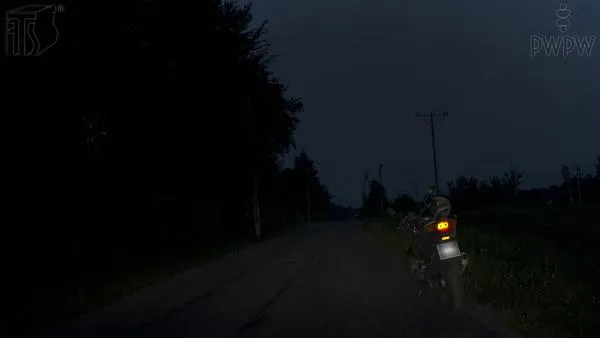
Are you obliged in this situation, when parking the motorcycle on the roadway, to switch on the position lights or parking lights?

A,A1,A2#3729

A: Yes

Question media
1

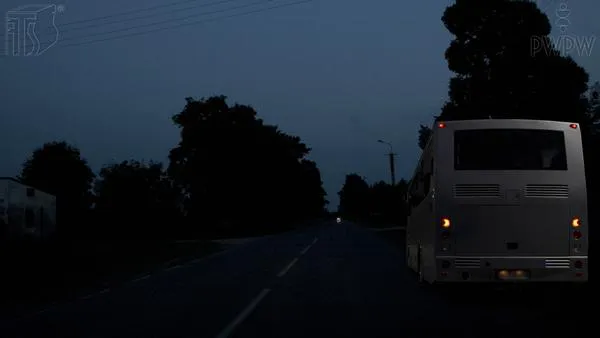
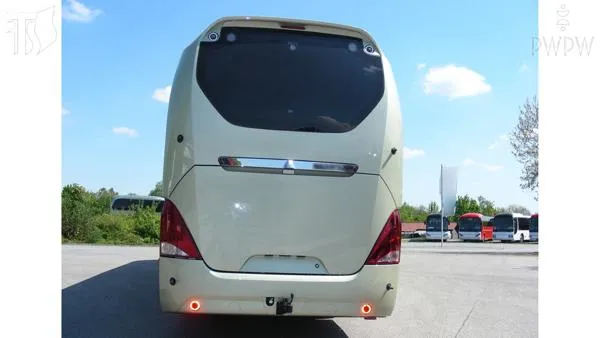
When parking a bus on the roadway in this situation, are you obliged to switch on the position lights or parking lights?

D,D1#3730

A: Yes

Question media
1

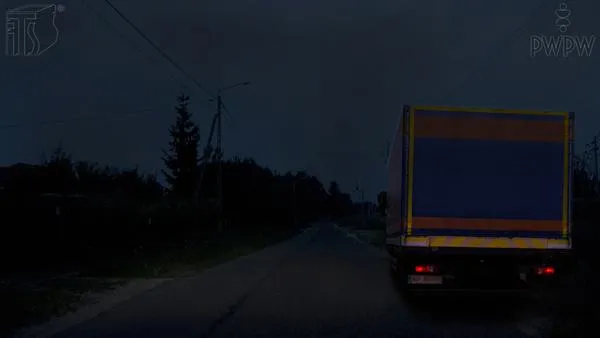
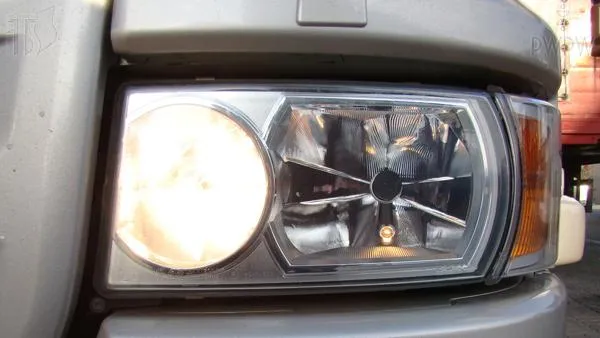
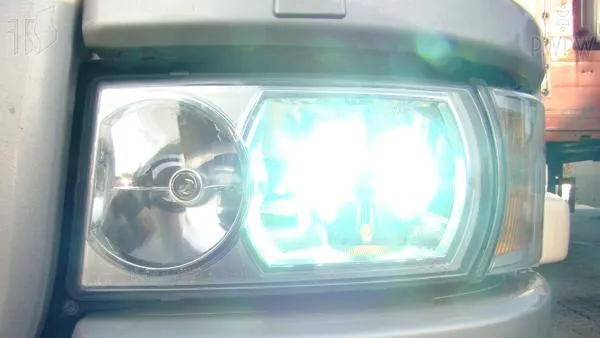
When parking a lorry on the road in this situation, are you obliged to switch on the position lights or parking lights?

C,C1#3732

A: Yes

Question media
2

In what situation can you use the emergency lights if the tram is equipped with one?

PT#4110

C: To signal the presence of a tram immobilised due to a breakdown.

3

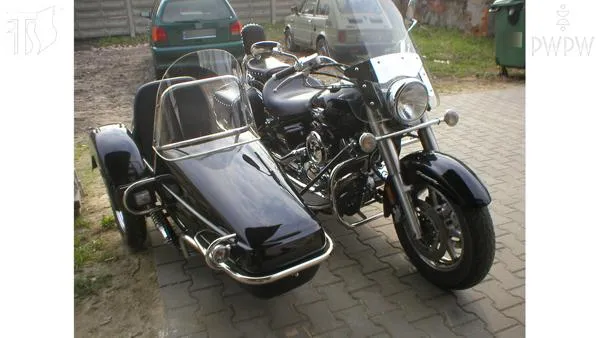
What lights may be placed on the side car of a motorcycle?

A,A1,A2#6505

A: Front and rear position lights.

Question media
2

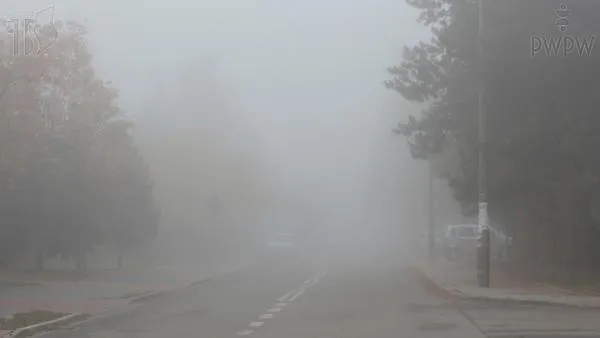
Which of the following lights of a tractor may adversely affect visibility, if they are turned on while driving in fog?

T#6677

A: High-beam lights.

Question media
1

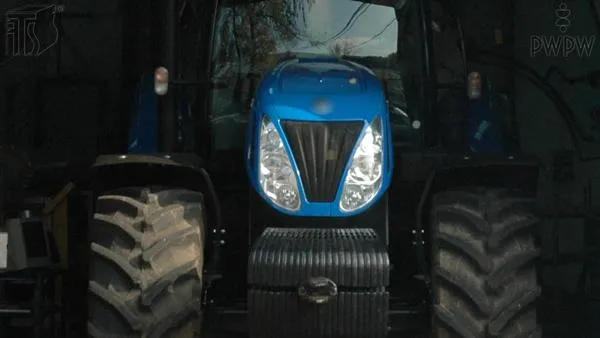
What is the main role of the low-beam lights in a tractor?

T#6711

A: Lighting of the road ahead of the tractor in a manner which does not cause the blinding of the drivers coming from the opposite direction.
Question media
1

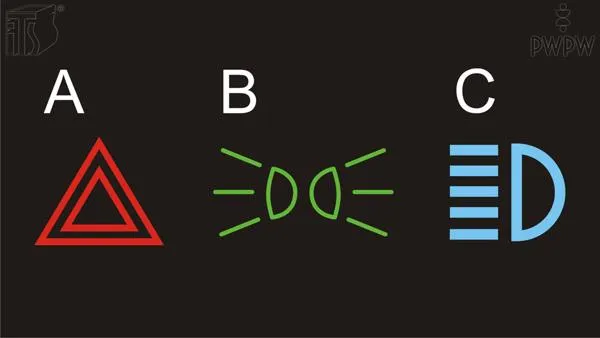
Which of the following control lights indicates that the position lights are on?

T#6720

B: B.

Question media
1

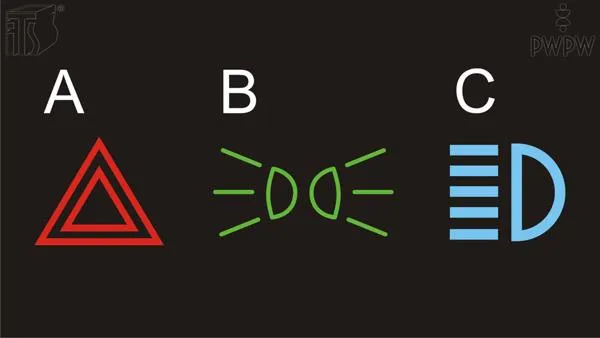
Which of the following control lights indicates that the high-beam lights are on?

T#6721

C: C.

Question media
1

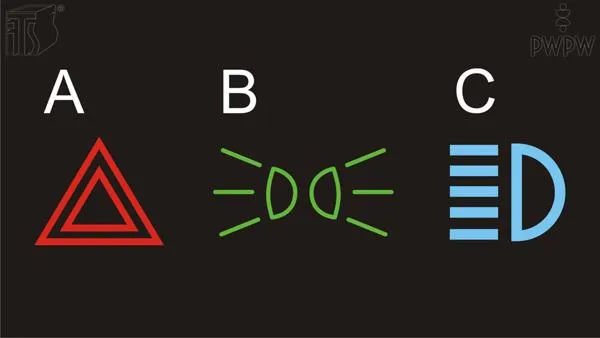
Which of the following control lights indicates that the emergency lights are on?

T#6722

A: A.

Question media
2

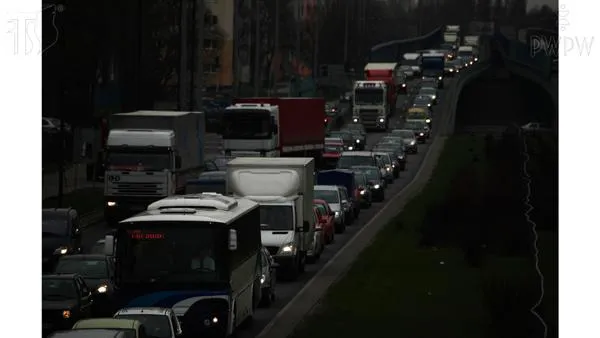
When can you use high-beam lights while driving a truck from dusk till dawn?

C,C1#6781

B: On unlit roads, as long as this does not blind other drivers.
Question media
2

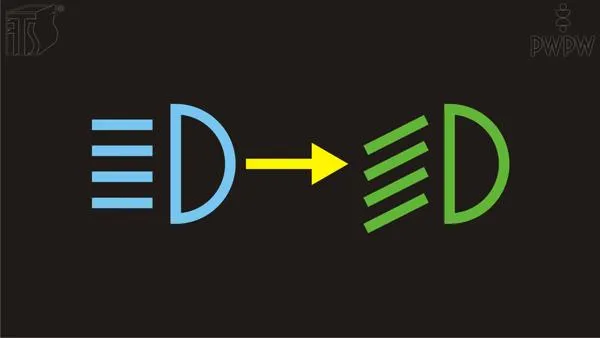
While driving a truck, when are you obliged to switch from high-beam to low-beam lights?

C,C1#6782

A: When another vehicle is approaching from the opposite direction.
Question media
1

What minimum section of the road ahead of the truck should be lit by properly-adjusted high-beam lights?

C,C1#6819

B: 100 m.

Question media
1

What minimum section of the road ahead of the truck should be lit by properly-adjusted low-beam lights?

C,C1#6820

B: 40 m.

Question media
1

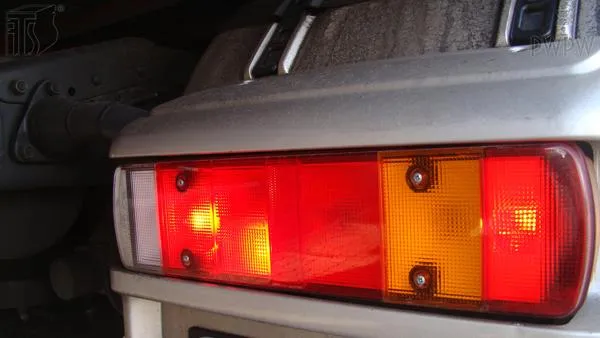
What should be the intensity of the STOP brake lights in a truck?

C,C1#6821

A: Significantly higher than the rear position lights.
Question media
1

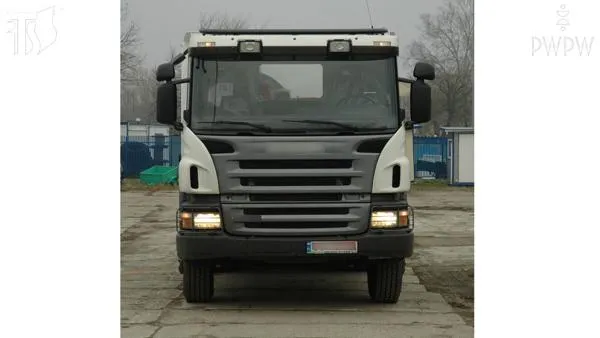
How should the asymmetric low-beam lights in a truck illuminate the road?

C,C1#6829

A: For a distance higher on the right than on the left.
Question media
2

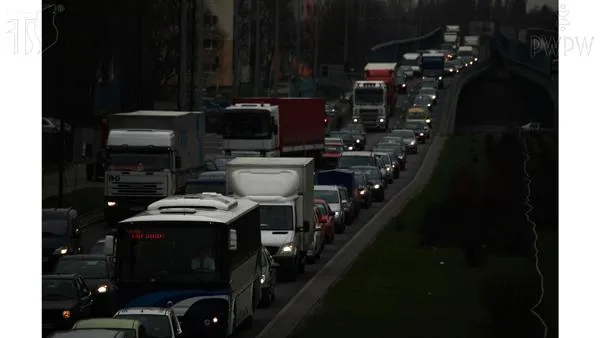
When can you use high-beam lights when driving from dusk till dawn?

D,D1#6891

B: On unlit roads, as long as this does not blind other drivers.
Question media
2

While driving a bus, when do you have to turn off the rear anti-fog lights?

D,D1#6892

C: When visibility increases to 60 m.

Question media
2

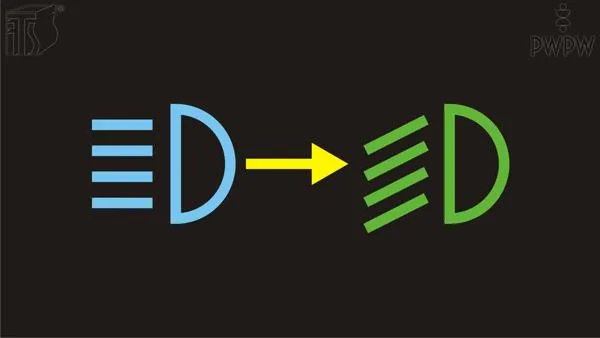
While driving a bus, when do you have to switch from high-beam to low-beam lights?

D,D1#6893

A: When another vehicle is approaching from the opposite direction.
Question media
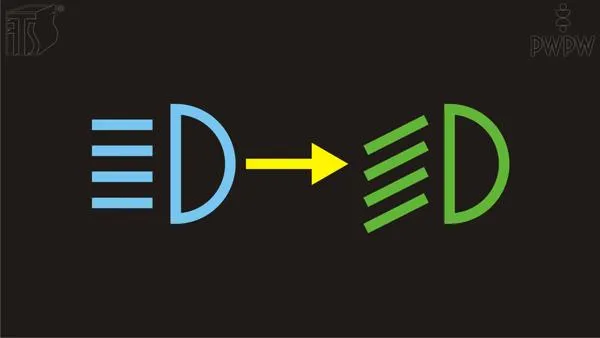
2

When must you switch from high-beam to low-beam lights?

D,D1#6894

B: Always when there is a possibility of blinding the driver of the vehicle in front of you.
Question media
1

When driving a tram, are you allowed to use the high beam lights on an unlit road if you do not blind other drivers?

PT#7018

A: Yes

Question media
1

When driving a tram during a stop resulting from the traffic conditions, under reduced air transparency, can you use the front fog lights?

PT#7020

A: Yes

Question media
1

During a tram stop resulting from road traffic conditions, are you allowed to turn on the emergency lights?

PT#7021

B: No

Question media
1

When driving a tram from dusk to down on an unlit road in a built-up area, are you allowed to use the high beam lights?

PT#7023

A: Yes

Question media
1

When driving a tram with the high beam lights turned on, are you obliged to switch to the low beam lights in the eventuality of blinding pedestrians walking in a column?

PT#7025

A: Yes

Question media
2

While driving an agricultural tractor in a thick fog you should not use:

T#7635

B: high beam lights.

2

In which of the following cases are you allowed to use the rear fog lights while driving a bus?

D,D1#7675

B: In the fog which limits visibility to a distance shorter than 50 meters.

2

In which of the following situations are you required to switch from high beam to low beam lights while driving a bus?

D,D1#7676

B: When you see low beam or high beam lights of the vehicle coming from the opposite direction?

1

Can you use daytime running lights in these road conditions, when driving a motorbike or light quadricycle?

AM#10974

B: No

Question media
1

When driving a moped during the day, from dawn to dusk, with good air clarity, can you use daytime running lights instead of dipped beam lights?

AM#10976

A: Yes

Question media
1

Can a moped driver use daytime running lights in deteriorating weather conditions?

AM#10979

B: No

Question media
1

Can you use high beam lights on this stretch of road when driving a light quadricycle?

AM#10980

B: No

Question media
1

Can you use position lights on this section of the road when driving a motorbike not equipped with daytime running lights?

AM#10983

B: No

Question media
1

In these road conditions, can a moped driver use the high beam lights?

AM#11027

B: No

Question media
2

While driving a truck, when do you have to turn off the rear anti-fog lights?

C,C1#11457

C: When visibility increases to 60 m.

Question media
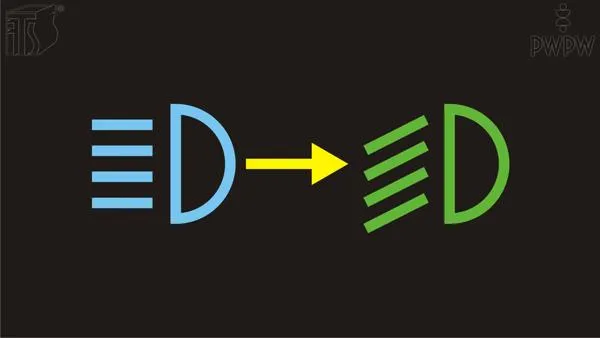
2

While driving a truck, when must you switch from high-beam to low-beam lights?

C,C1#11515

B: Always when there is a possibility of blinding the driver of the vehicle in front of you.
Question media
1

Are you obliged to switch off your rear fog lights if visibility is more than 50 m?

PT#13105

A: Yes

Question media
3

When you approach a crossing marked in this manner, should you expect limited visibility?

A,B,C,D,T,AM,A1,A2,B1,C1,D1#13454

A: Yes

Question media
3

When approaching a level crossing with overhead lines, should you be mindful of the extra risks involved?

A,B,C,D,T,AM,A1,A2,B1,C1,D1#13455

A: Yes

Question media
3

Could you put the lives or health of several people at risk by ignoring a stop while driving over the railway tracks at this point?

A,B,C,D,T,AM,A1,A2,B1,C1,D1#13457

A: Yes

Question media
3

When approaching a level crossing, are you required to adjust your speed according to changing conditions?

A,B,C,D,T,AM,A1,A2,B1,C1,D1#13458

A: Yes

Question media
3

Is it permissible to drive at a speed that could make it difficult to stop the vehicle when the red signal starts flashing?

A,B,C,D,T,AM,A1,A2,B1,C1,D1#13459

B: No

Question media
3

If you cannot remove the damaged vehicle from the tracks, are you required to alert the train driver about the potential danger?

A,B,C,D,T,AM,A1,A2,B1,C1,D1#13460

A: Yes

3

If your vehicle gets stuck on a level crossing, are you required to first alert the train driver to the potential danger?

A,B,C,D,T,AM,A1,A2,B1,C1,D1#13461

B: No

3

Will giving the level crossing number to the 112 operator help pinpoint the exact location of the level crossing where the vehicle has broken down?

A,B,C,D,T,AM,A1,A2,B1,C1,D1#13462

A: Yes

Question media
3

Does the design of the barriers enable a vehicle to break through if it gets stuck on a level crossing between closed barriers?

A,B,C,D,T,AM,A1,A2,B1,C1,D1#13463

A: Yes

3

When you exercise caution, are you allowed to enter a railway crossing if the barrier has just started to lower?

A,B,C,D,T,AM,A1,A2,B1,C1,D1#13464

B: No

3

Once traffic resumes at the multi-track crossing, should you check for approaching trains on other tracks before entering the track?

A,B,C,D,T,AM,A1,A2,B1,C1,D1#13465

A: Yes

Question media
3

In this scenario, once you’ve confirmed that no train is approaching, are you permitted to drive around the lowered half-barrier and cross the railway tracks?

A,B,C,D,T,AM,A1,A2,B1,C1,D1#13466

B: No

Question media
3

In this scenario, are you obliged to bring your vehicle to a stop before the visible prohibition sign?

A,B,C,D,T,AM,A1,A2,B1,C1,D1#13467

A: Yes

Question media
3

In this situation, after halting and making sure that no train is approaching, do you have the right to proceed without waiting for permission from an authorised individual?

A,B,C,D,T,AM,A1,A2,B1,C1,D1#13468

B: No

Question media
3

In this situation, do you have the right to overtake the vehicle in front of you to get across the railway crossing as swiftly as possible?

A,B,C,D,T,AM,A1,A2,B1,C1,D1#13469

B: No

Question media
3

In this situation, do you have the right to overtake the vehicle in front of you by driving onto the part of the road designated for oncoming traffic, if you can stop before the railway crossing?

A,B,C,D,T,AM,A1,A2,B1,C1,D1#13470

B: No

Question media
3

When approaching a level crossing with infrequent train traffic, are you always required to check for any approaching trains?

A,B,C,D,T,AM,A1,A2,B1,C1,D1#13471

A: Yes

Question media
3

In this scenario, do you have the right to cross the railway tracks without being sure that there’s enough space to continue driving on the other side of the level crossing?

A,B,C,D,T,AM,A1,A2,B1,C1,D1#13472

B: No

Question media
3

When approaching a level crossing with barriers, should you take into account that, for various reasons, the safety devices might not close the crossing in time?

A,B,C,D,T,AM,A1,A2,B1,C1,D1#13473

A: Yes

Question media
3

When you reach a level crossing, are you obliged to look out for any approaching rail vehicle, even if the barriers are raised?

A,B,C,D,T,AM,A1,A2,B1,C1,D1#13618

A: Yes

3

As you approach a level crossing, should you be alert to signals that may indicate an approaching rail vehicle?

A,B,C,D,T,AM,PT,A1,A2,B1,C1,D1#13623

A: Yes

3

In the situation depicted, are you allowed to drive onto the railway crossing?

A,B,C,D,T,AM,A1,A2,B1,C1,D1#13634

B: No

Question media
3

In this scenario, are you still permitted to drive onto the railway crossing?

A,B,C,D,T,AM,A1,A2,B1,C1,D1#13635

B: No

Question media
3

In this scenario, can you enter the level crossing if you notice there isn’t enough space to continue on the other side of the crossing?

A,B,C,D,T,AM,A1,A2,B1,C1,D1#13637

B: No

Question media
3

In this scenario, can you enter the level crossing without first checking that no rail vehicle is approaching?

A,B,C,D,T,AM,A1,A2,B1,C1,D1#13638

B: No

Question media